
We Tried the Scandinavian Sleep Method—Here’s What Happened
Here’s a crazy thought, what if each individual in a bed has their own blanket that was just for them. No sharing with their partner. No tugging or tossing during…

Deciding what to keep and what you are comfortable parting with is stressful for any brain. But when you have an ADHD brain, it can feel even more frustrating. Our brains aren’t always wired for the constant stream of decisions we have to make. This leads to something called “decision fatigue”. This fatigue can impair […]
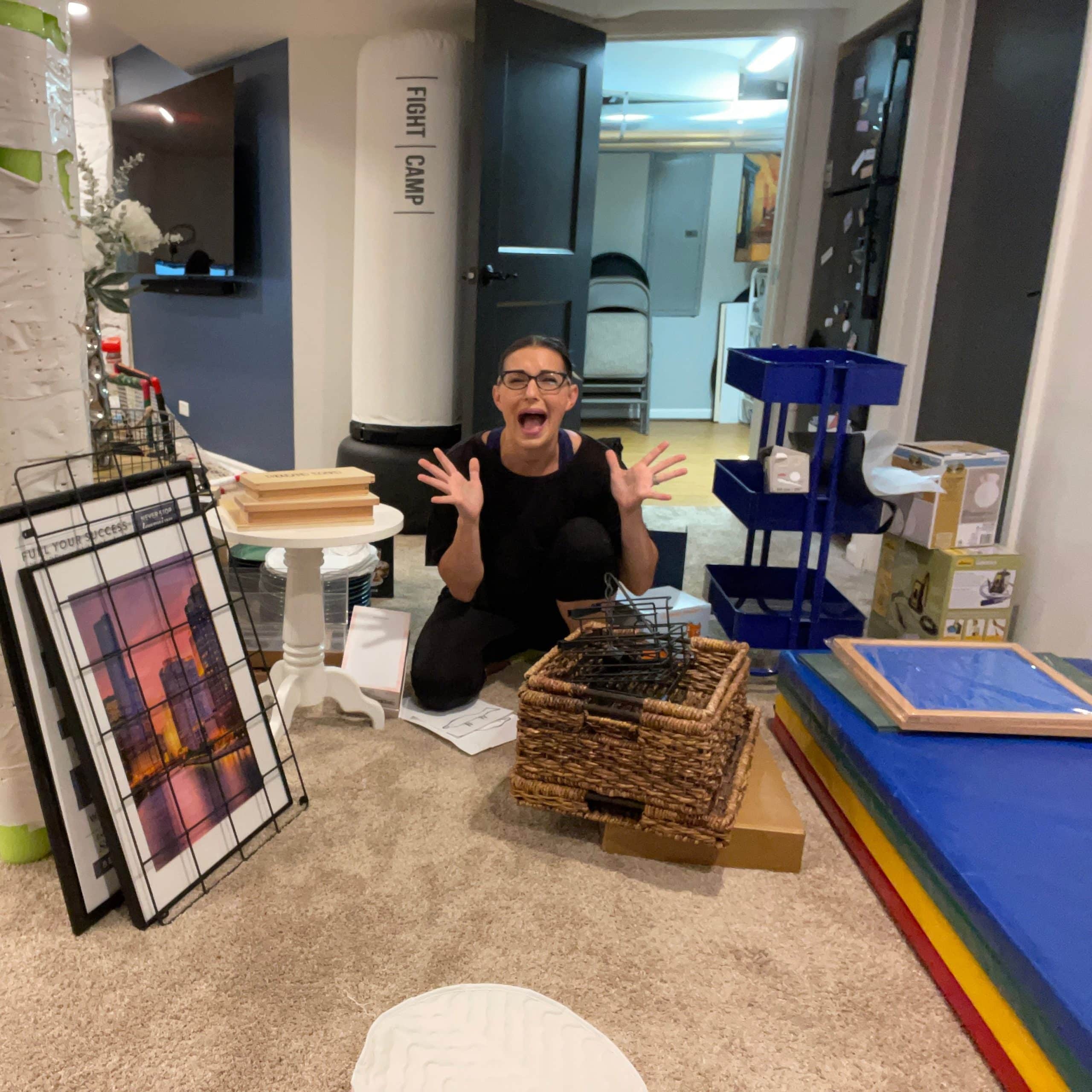
Deciding what to keep and what you are comfortable parting with is stressful for any brain. But when you have an ADHD brain, it can feel even more frustrating.
Our brains aren’t always wired for the constant stream of decisions we have to make. This leads to something called “decision fatigue”.
This fatigue can impair self-control and lead to impulsive choices. Meaning, we are more likely to emotionally declutter (throwing away everything without even thinking about what we are doing) -or- leaving the mess to build up to a point of no return (basically an episode of Hoarders).
Studies on ADHD have shown that prolonged decision-making can lead to mental exhaustion, impairing brain regions responsible for decision-making and impulse control, which can make it harder to regulate behavior.
And research shows ADHD brains often benefit from organized and structured environments, as these settings can help mitigate inattention, impulsivity, and hyperactivity.
So knowing all of this, how are we supposed to declutter to a point where our space is organized but we aren’t overwhelmed with decisions and fall into the fatigue from deciding all the things?
There are times when you may find you want to organize your entire space as quickly as possible. And there are times where you aren’t ready to do anything.
These are important clues as to how you start decluttering.
So we are going to break this down like a flow chart you can follow.
If you are ready to take action, go to the next section take action. If you are stalling and feeling overwhelmed, go to small steps.
I prefer using decluttering checklists to help me stay focused. Because I can get easily distracted, using a checklist is key.
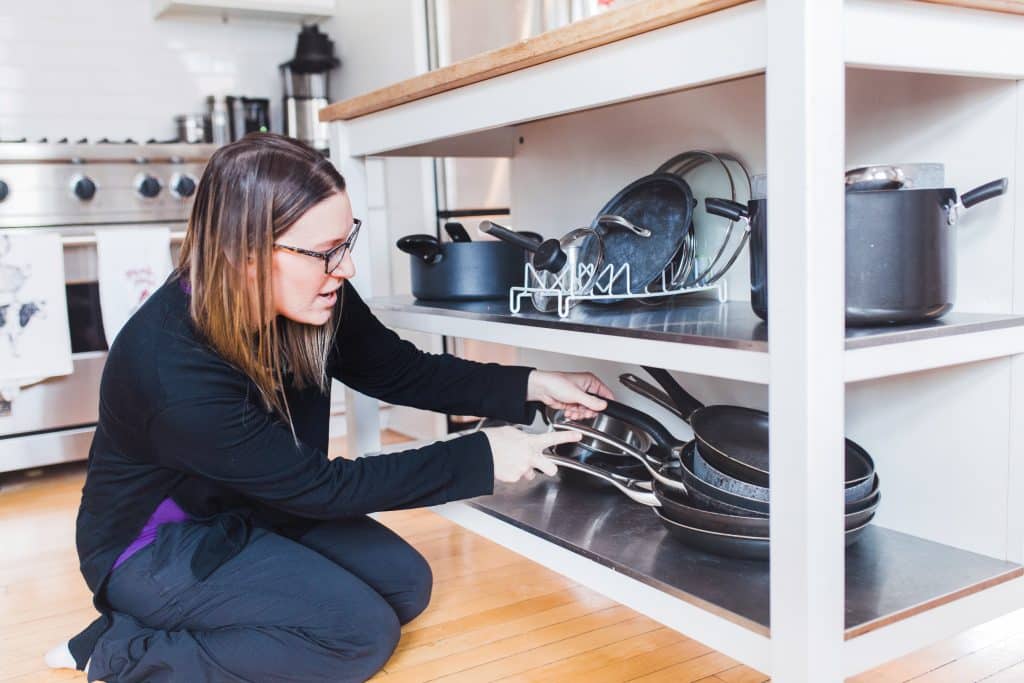
You are ready, so let’s get started on a big project. Select one room that you are doing to tackle. If you live somewhere that is more of an open concept, pick a section. Kitchen, dining room, bedroom, office, living room. Just pick one.
Grab garbage bags and cleaning supplies and your phone charger. Maybe a snack.
Then you are going to stay in that one room/area until you are totally done. No moving. Because we don’t want to get distracted.
You are going to take everything from that room and put it into the middle of the room.
I always suggest grouping the items together on the floor of them room based on their category. Think of category like how you would use the items or display them together. All books together. All cooking utensils together.
I have an entire list of the categories you can read here.
Clean off shelves and countertops with your cleaning supplies.
Then put your group categories back on shelves, in drawers, and in cabinets.
Now you may find your motivation dwindling at some point. If that happens, head to the section called keep going.
You are going to need to start by collecting a list of all the small areas of your home that you want to declutter.
This means walking around your home with a piece of paper and writing down each drawer, countertop, floor space, and cabinet you want to reorganize.
We will use this list to do small projects. This small steps process is called micro-decluttering. And it just means we are doing small decluttering that will make a big impact over time.
Once you created your list, you are going to pick one thing to do. That one thing can be a corner of the countertop, a stack of papers, one shelf. Just one thing.
Then you are going to set your timer for 15 minutes. And you are going to remove everything in that one space you don’t want to stay there.
If you start your 15 minutes and remove things you don’t want, you may find you have extra time to clean the shelf/drawer/cabinet. So do that!
Once the 15 minutes is completed, you are done for the day. We will repeat this process again tomorrow. And the next day. Because small actions make big impacts over time!
Once you finished this section, head to the section called home reset.
You hit a wall. So now we need to finish the project we started. This means putting all the things you want to keep back. Back on the shelves. Put things back in the cabinets. Back on the counters.
Everything that is left isn’t going to stay. So round those things up and donate/sell/throw them away.
Then you completed your big project! And you can now move to the section called small steps.
Sometimes we just need a guide so we don’t get stuck. Because when we have to do the same thing over and over it can get boring and we lose interest.
I created a set of workbooks that changes all of that! It uses this exact system which allows you to use your energy in a way that works for you!
The ADHD Home Reset Workbooks break down the daunting task of organizing into manageable, bite‑sized steps that respect the way your brain works. Here’s what makes them truly different:
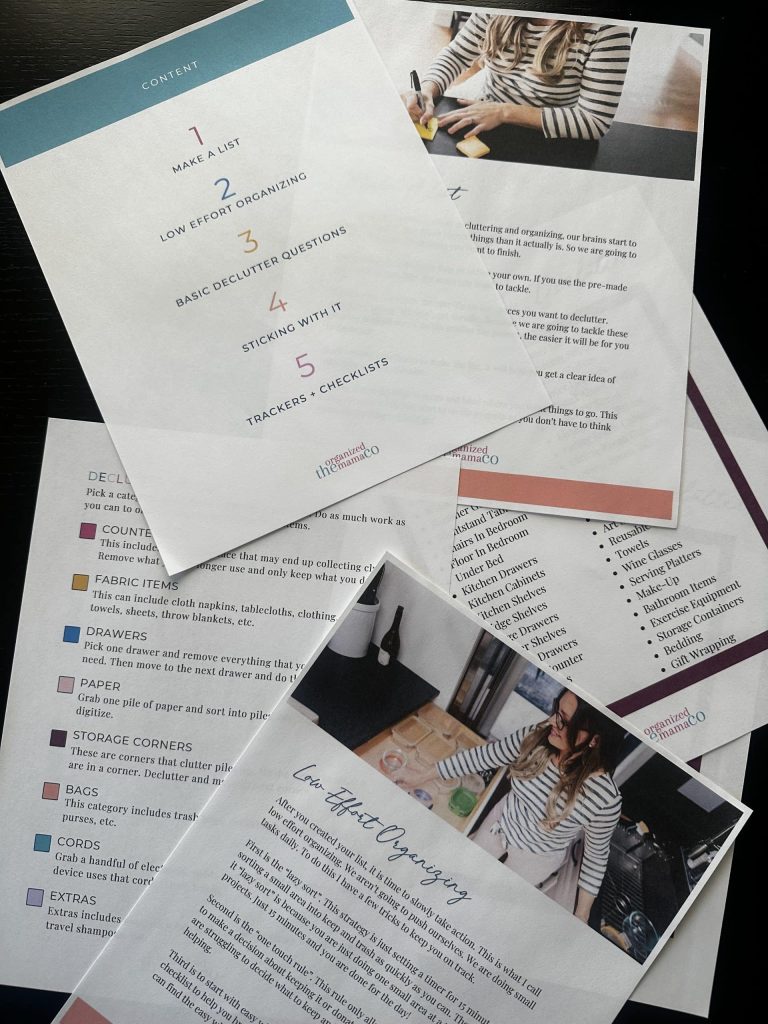
Imagine a system that guides you step-by-step, from one room to the next, without the overwhelm of a big, undefined project. Here’s how the workbooks set you up for success:
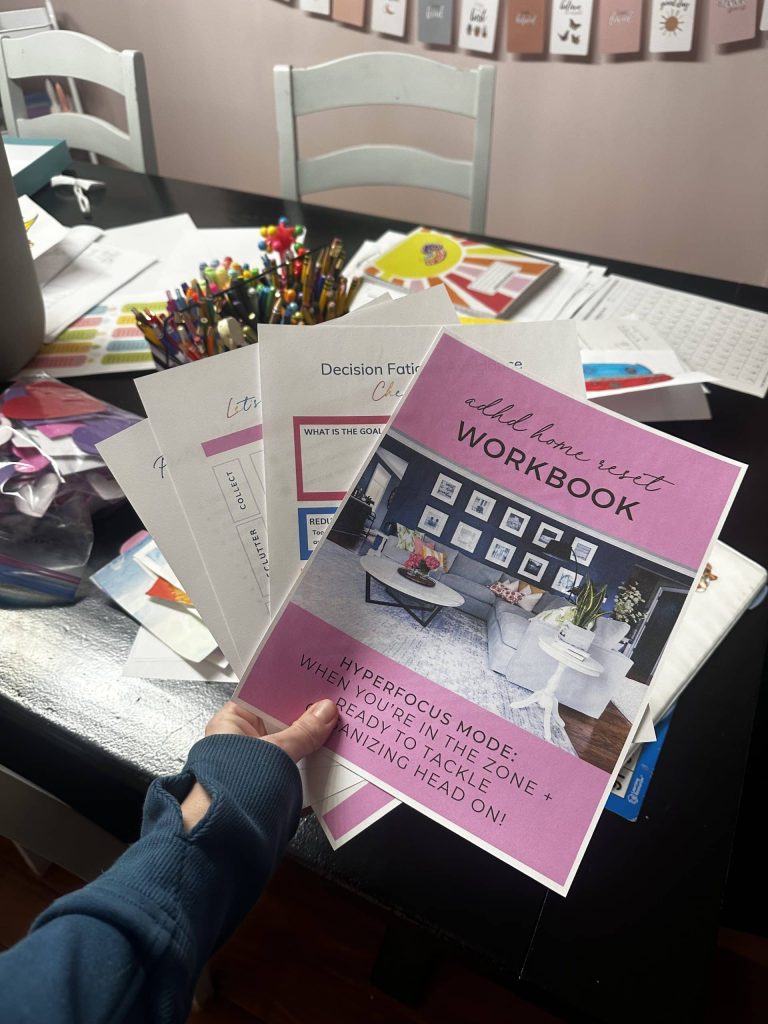
Traditional organizing methods can feel rigid and overwhelming. The ADHD Home Reset Workbooks, however, are designed with the ADHD experience in mind:
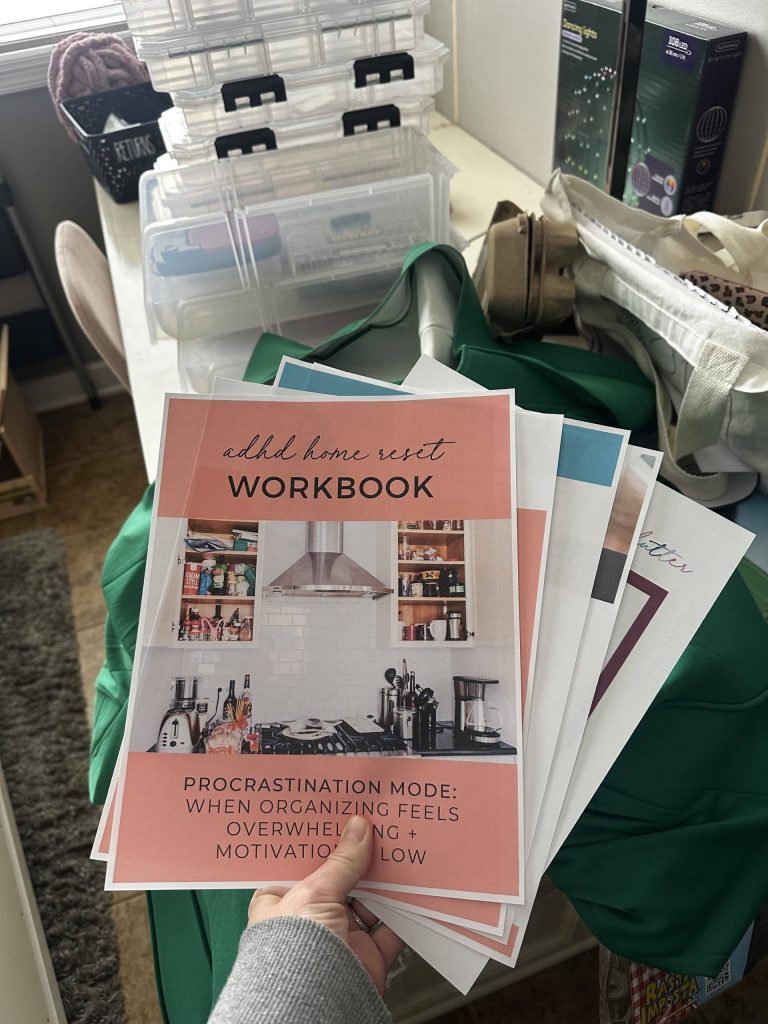
If you’re tired of the endless cycle of starting and stopping organizing projects, it’s time to try a system that works for you.
The ADHD Home Reset Workbooks are more than just a planner—they’re your partner in creating a calm, clutter-free home where you can truly thrive.
How To Declutter Your Home with ADHD
Using Weekly Checklists To Keep Yourself Organized With ADHD


