How To Get Kids To Organize
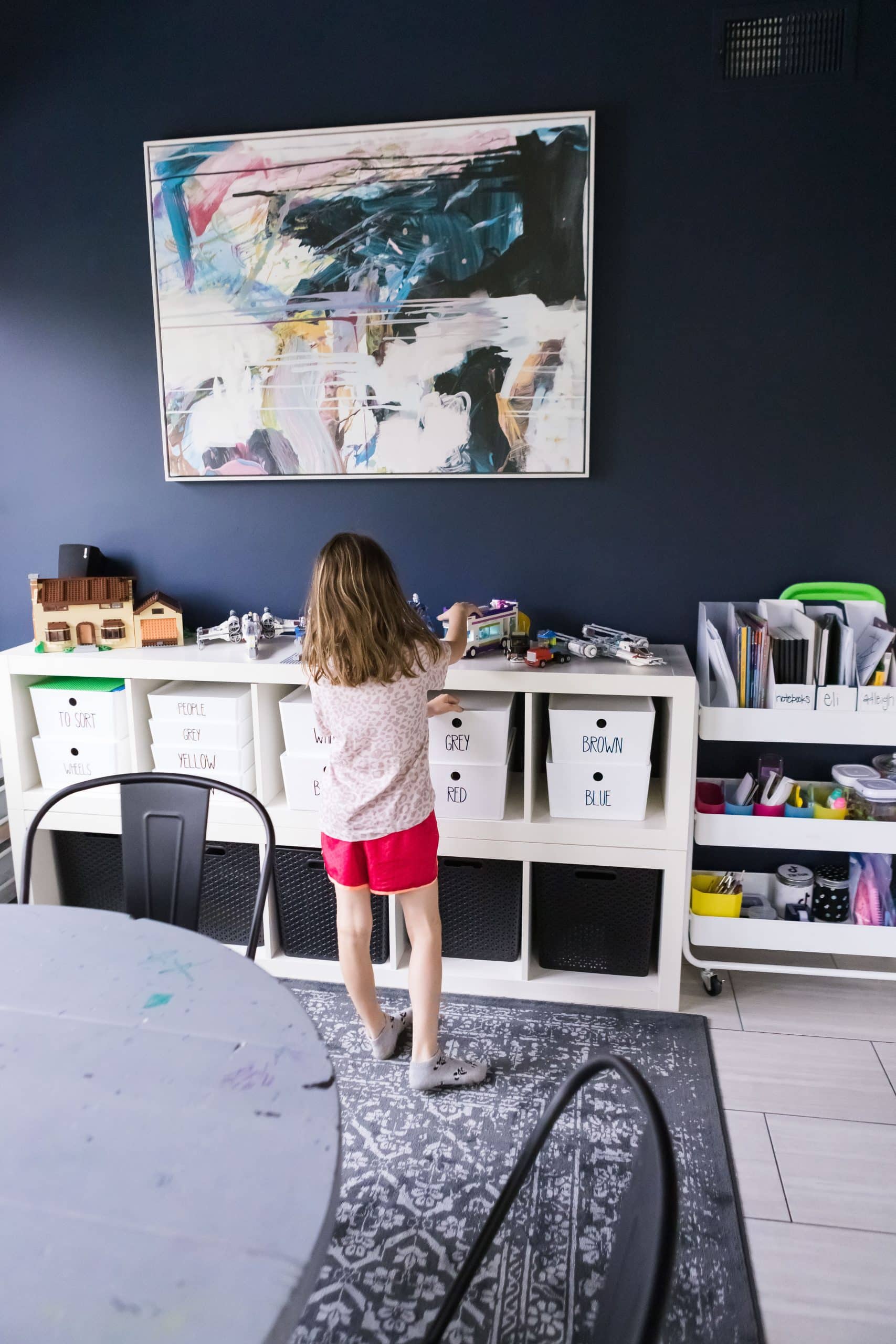
Back when I was teaching, I feel like half my class could keep their desks and cubbies organized. And the other half couldn’t. So I had to teach them some…

If getting your kids to clean up feels like a never-ending battle, it might be time to gamify the process. That means turning chores into a game! Turning chores into a game changes the way kids think about organizing, and it can take a huge load off your shoulders too. Instead of focusing on the […]
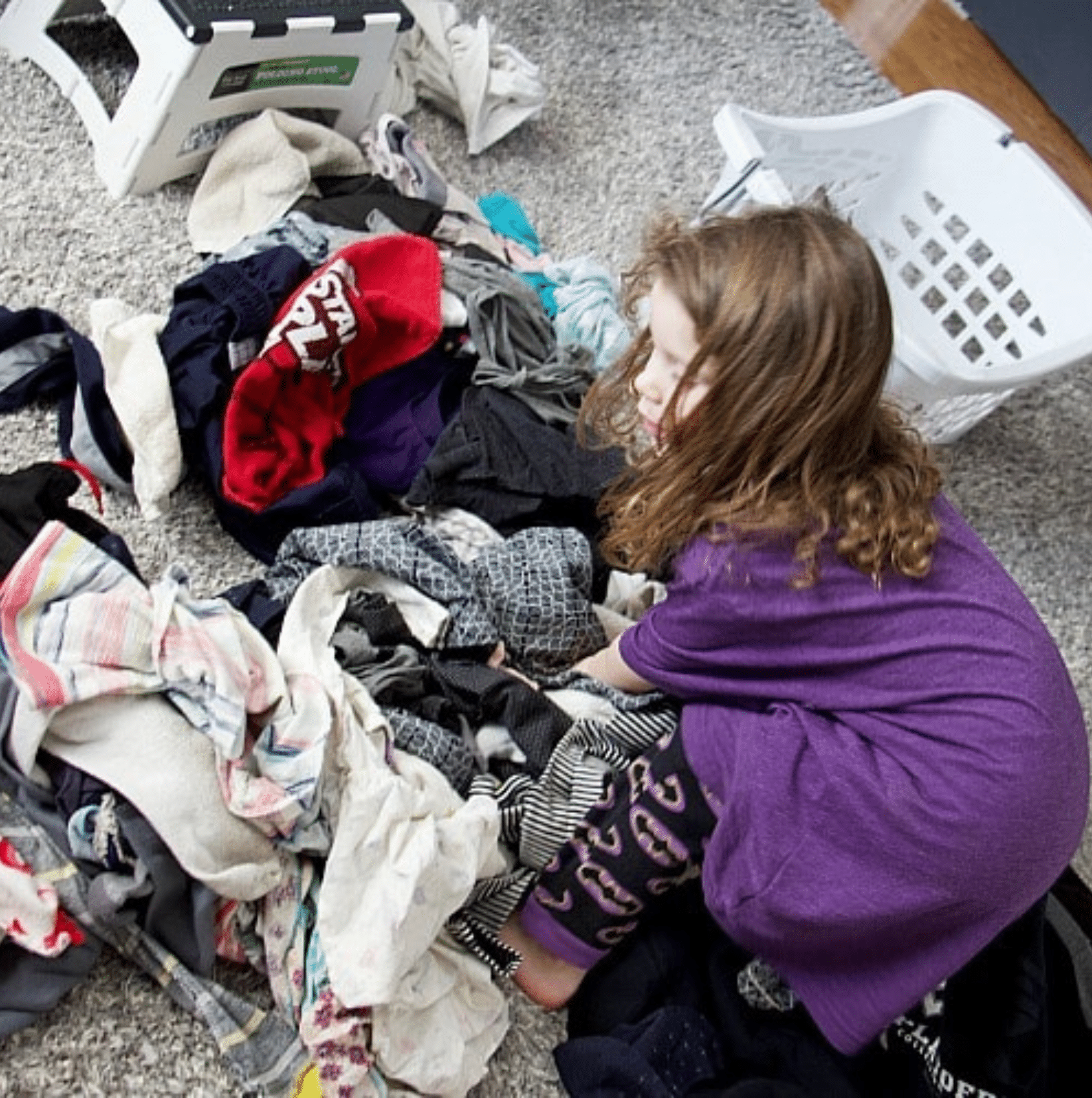
If getting your kids to clean up feels like a never-ending battle, it might be time to gamify the process. That means turning chores into a game!
Turning chores into a game changes the way kids think about organizing, and it can take a huge load off your shoulders too.
Instead of focusing on the “job” that needs to be done, gamifying makes it fun, engaging, and even exciting.
I’ve written about this a lot on the blog, and it’s something I’ve used with my own kids as well as back when I was teaching.
With my students, every transition—whether it was finishing a lesson or cleaning up after an activity—became a game.

One of my favorite strategies was using music to create a three-minute cleanup challenge.
I’d play a song—like the Madagascar version of I Like to Move It—and the entire class had to clean up before the song ended. Papers had to be picked up, books returned, garbage thrown away, tables wiped down, and everything put in its place.
The catch?
If they didn’t finish, there was no end-of-day dance party.
By turning cleanup into a game, the kids learned that cleaning could be fast, structured, and fun—and not just a chore.
You can easily bring this same strategy home, especially for toddlers and younger kids. Here’s how I do it:
You can also add a timer if your child enjoys a little friendly competition.
See how many cars they can put in the bin before the timer goes off.
If timers stress your child out, skip it—counting or racing themselves can be just as motivating.

Gamifying doesn’t have to be just for kids.
I do it for myself too.
For example, when I empty the dishwasher, I make a cup of coffee and try to finish before the coffee is ready.
It’s silly, but it makes a mundane task more fun and gives me a little boost in the morning.
Success at School and Beyond: Why Executive Functioning Skills Matter
Tired of Cleaning Up Toys? Try This Simple Approach!

For older kids, timed games can sometimes feel stressful rather than fun.
That’s where Secret Agent Cleanup comes in.
Think of it as a mission-based game where your child becomes a secret agent tasked with completing specific “missions” around the house.
Each mission targets a different area—putting away toys, finding lost socks, resetting backpacks for the next day—and comes with fun elements like badges, manila envelopes, and mission kits.
Kids get a new mission every night, which makes cleanup exciting, engaging, and full of variety.
The missions can be as simple or as elaborate as you like, depending on how much time and energy you want to put in.
And the best part?
Kids learn responsibility, organization, and problem-solving—all while having fun.
Gamifying cleanup and organizing turns a task that’s often dreaded into something your kids (and you!) actually enjoy.
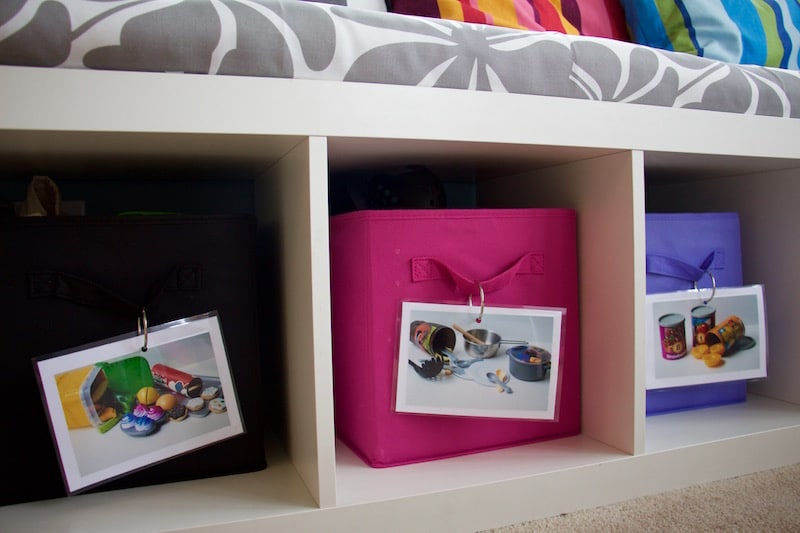
From picture-label games for toddlers to Secret Agent missions for older kids, there’s a way to make every cleanup session fun, interactive, and motivating.
Turn cleaning into a game by giving kids a clear challenge, a time limit, or a fun twist.
Try a 2-minute speed clean, sorting races, or a “find all the blue toys” game.
When cleaning feels like play, kids stay engaged longer.
Toddlers love games with colors, matching, and sorting.
Try:
Keep it simple and make it feel like pretend play.
Older kids enjoy:
Gamified structure works especially well if they’re competitive or love rules.
Yes — gamified cleaning works extremely well for ADHD because it adds novelty, structure, and urgency.
Quick games like “clean during one song” or “grab 10 items fast” tap into dopamine and keep the task manageable.
Rewards don’t need to be big. Try:
Keep rewards simple, fast, and connected to the task.
Try starting with super short, fun tasks like a 30-second tidy or a one-song clean.
Use tools like timers, music, or challenges rather than lectures. Music also helps. Turn on their favorite song and see how much they can clean before it’s over.
Once kids build momentum, most will keep going.