How To Get Kids To Organize
Back when I was teaching, I feel like half my class could keep their desks and cubbies organized. And the other half couldn’t. So I had to teach them some…

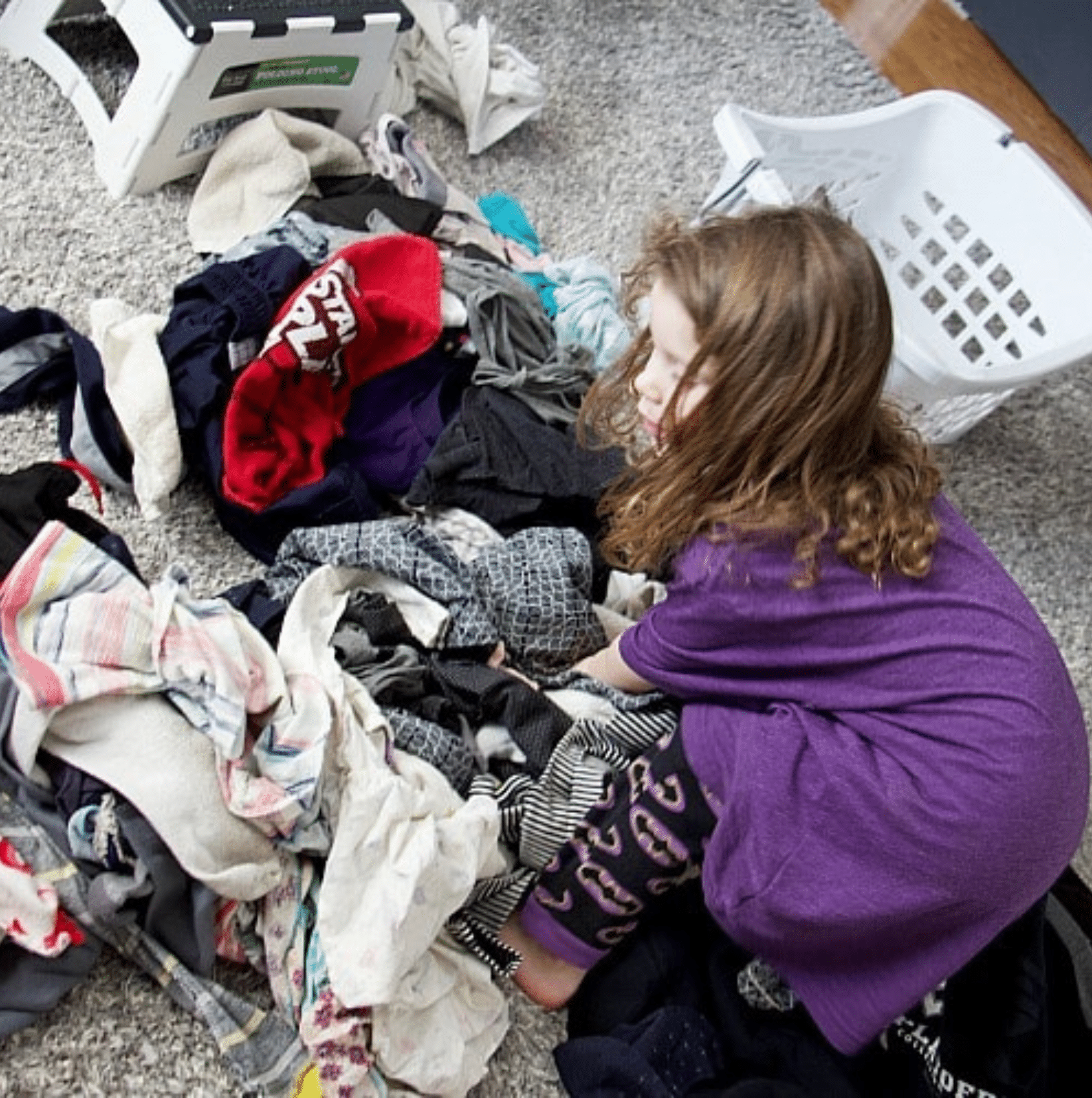
Let’s be real: getting kids to clean up can feel impossible. Toys everywhere, meltdowns over putting blocks away, and the constant “Mom, where does this go?” can leave you exhausted. Over the years, I’ve tried everything—from toy rotations to elaborate organizing systems—and learned some key strategies that actually work. Here’s some of my top tips […]
Let’s be real: getting kids to clean up can feel impossible.
Toys everywhere, meltdowns over putting blocks away, and the constant “Mom, where does this go?” can leave you exhausted.
Over the years, I’ve tried everything—from toy rotations to elaborate organizing systems—and learned some key strategies that actually work.
Here’s some of my top tips to help kids take ownership of their space, have fun, and make clean-up less stressful for everyone.

When my kids were little, bedtime felt like a battle against toy chaos.
No matter what I tried, I ended up cleaning everything myself. That was until I added clean-up time to our bedtime routine.
Why it works:

One of the biggest mistakes I see parents make is thinking teaching clean-up once is enough.
Spoiler alert: it’s not. Kids need clarity, repetition, and practice.
How to make it stick:
With the right approach, kids not only clean up but start taking responsibility for their own spaces.
Tired of Cleaning Up Toys? Try This Simple Approach!
Why Teaching Kids to Clean Up Once Isn’t Enough (And What to Do Instead)
Gamify Cleaning Up: How to Turn Organizing into a Game for Kids
How to Use Picture Labels to Help Kids Organize Their Toys (and Why They Work So Well)
The Biggest Myth About Teaching Kids to Organize (and What to Do Instead)
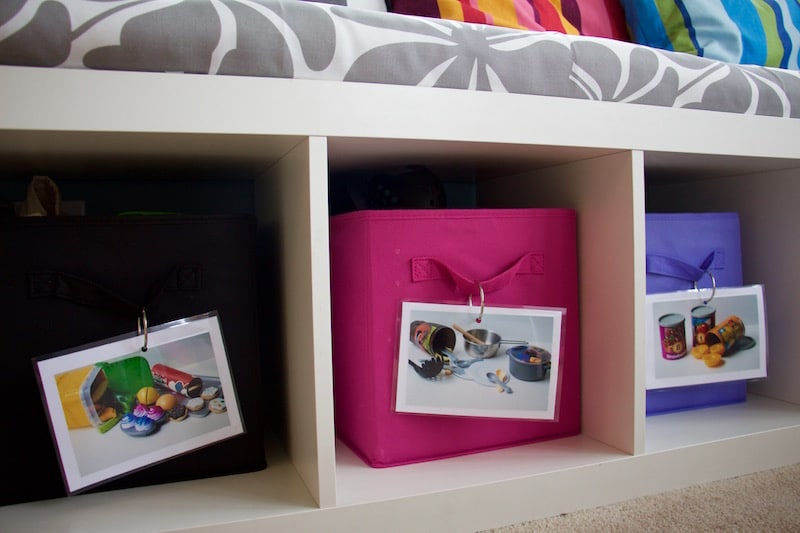
Visuals make all the difference. Picture labels show kids exactly where things belong, reducing questions and meltdowns.
Why they work:
How to create them:
Kids can even help make the labels, which gives them ownership and pride in their space.

Cleaning up doesn’t have to be a chore. Turning it into a game changes how kids think about organizing.
Simple strategies:
For older kids, try Secret Agent Cleanup, where they complete nightly missions to put away toys, find lost socks, and prep for the next day. It’s fun, engaging, and teaches problem-solving skills.

Here’s a myth that drives me crazy: parents should set up the perfect organizing system and just tell kids how to use it.
In reality, this prevents kids from learning the skill of organizing.
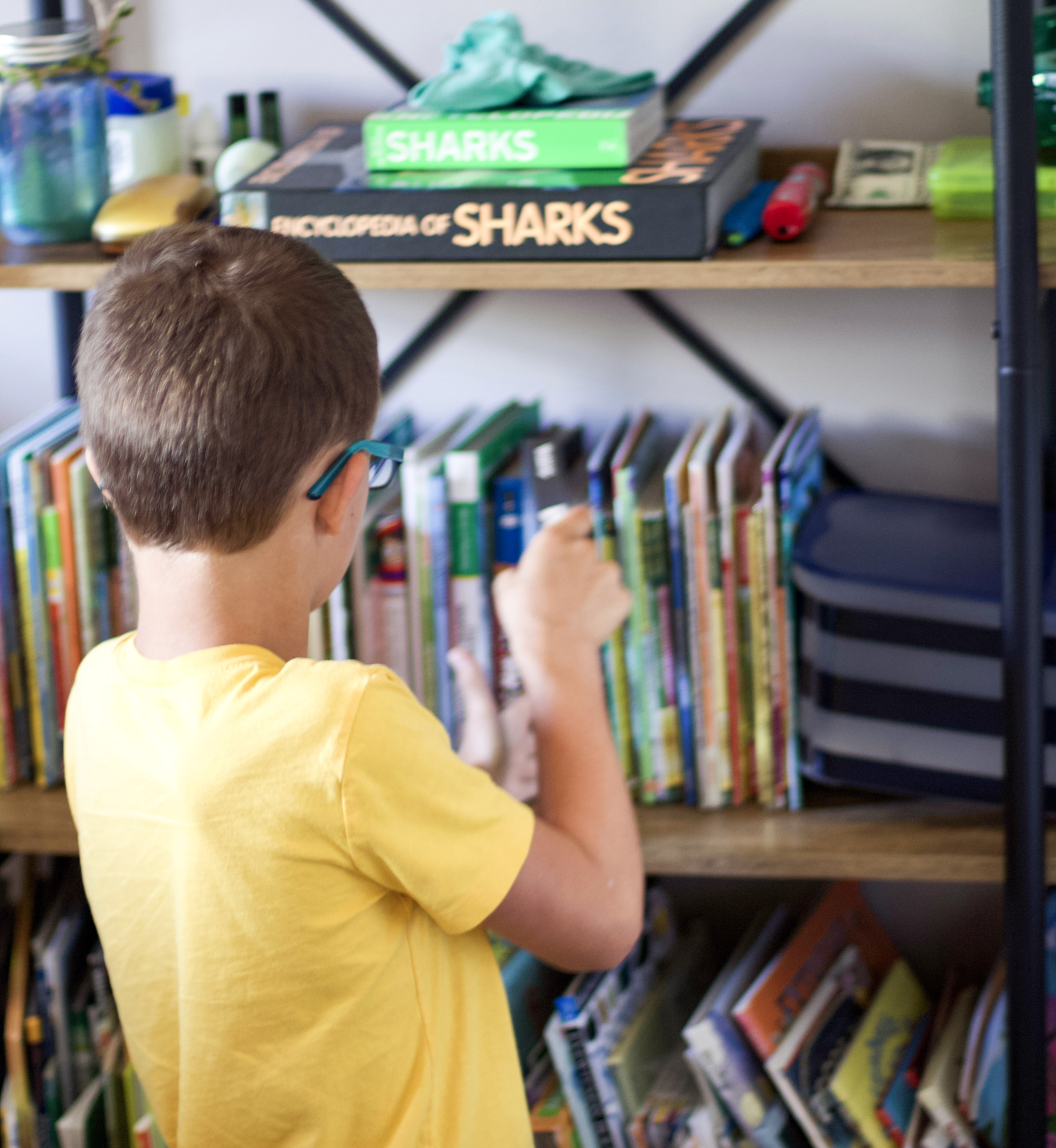
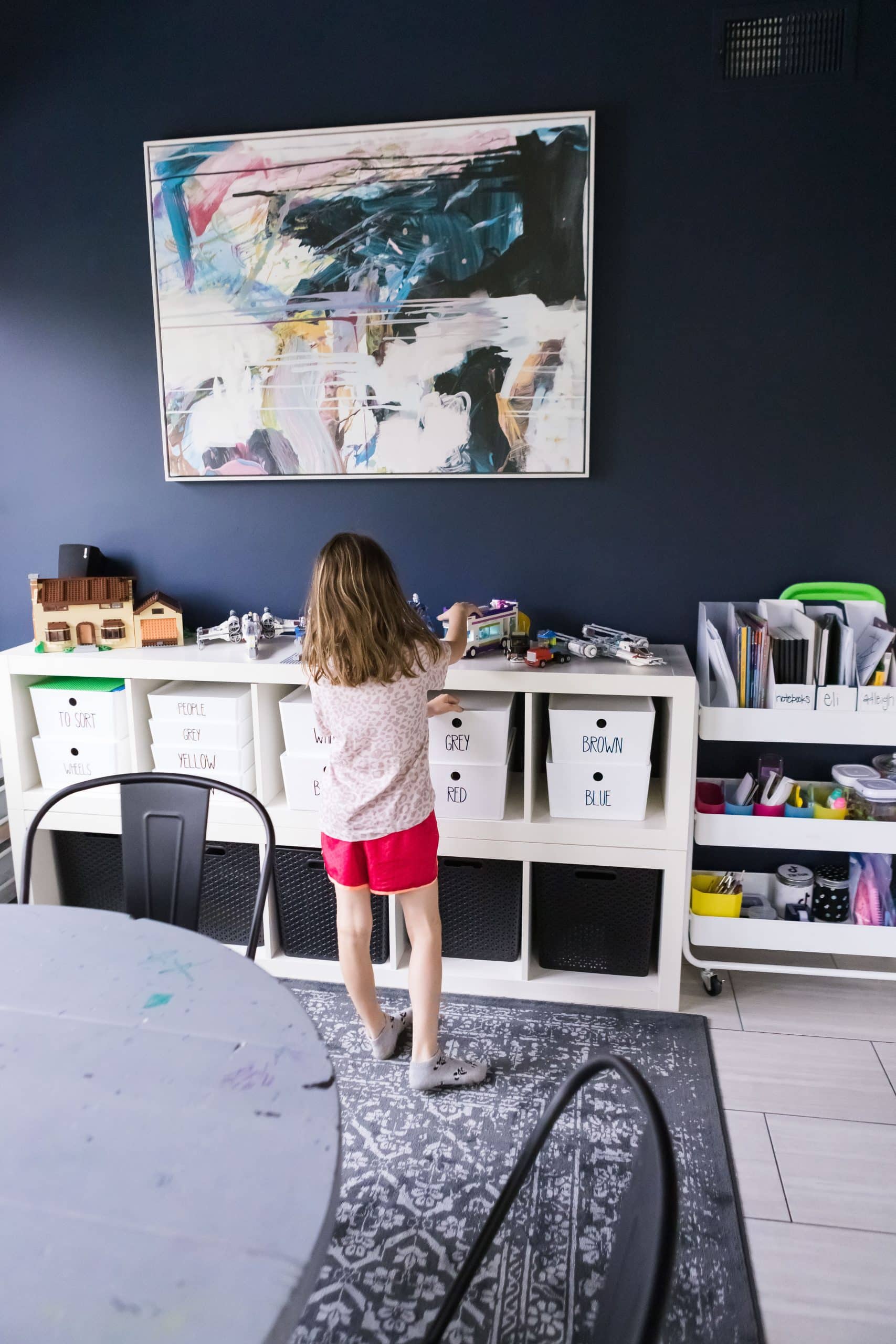
Instead, coach them and set expectations, but let them choose how to meet them.
Tips to hand over responsibility:
Over time, kids learn problem-solving, responsibility, and how to maintain their own space — a skill that lasts a lifetime.
There’s no one magic trick to get kids to clean up, but combining routine, repetition, visual cues, gamification, and ownership creates lasting results.
With these strategies:
Try one tip at a time, see what works for your family, and watch clean-up time transform from chaos to collaboration.