
We Tried the Scandinavian Sleep Method—Here’s What Happened
Here’s a crazy thought, what if each individual in a bed has their own blanket that was just for them. No sharing with their partner. No tugging or tossing during…

Decluttering is not just about getting rid of things; it’s about creating a space that reflects your lifestyle and brings you joy. These tidy home tips are sure to help you create that cozy feeling of a clutter-free home. Whether you’re a beginner or a seasoned decluttering enthusiast, our tried-and-true advice will empower you to […]

Decluttering is not just about getting rid of things; it’s about creating a space that reflects your lifestyle and brings you joy. These tidy home tips are sure to help you create that cozy feeling of a clutter-free home.
Whether you’re a beginner or a seasoned decluttering enthusiast, our tried-and-true advice will empower you to transform your home into a sanctuary of tidiness.
Get ready to unleash your inner organizer and create a space that truly sparks joy!

Decluttering is the act of removing unwanted items from your home.
The easiest place to start? Your bedroom.
Research shows that when you have a neat and tidy bedroom, you are able to get a better nights’ sleep. Which helps your brain make better decisions. Which helps you remove things in a thoughtful way.
Decluttering your home goes beyond just aesthetics; it has numerous benefits for your physical, mental, and emotional well-being.
A cluttered space can lead to increased stress levels and decreased productivity. On the other hand, a neat and tidy home can promote a sense of calm and provide a more relaxing environment.
When you declutter, you create space for the things that truly matter to you. It allows you to focus on what brings you joy and eliminates distractions.
Decluttering also helps you save time and energy by making it easier to find and access the things you need.
Additionally, decluttering can have a positive impact on your financial situation. By getting rid of items you no longer use, you can sell or donate them, potentially earning some extra money or helping those in need.
Ultimately, decluttering is a transformative process that can improve your overall quality of life.
So, let’s dive into the must-try tips that will help you declutter your home and create a space you’ll love.
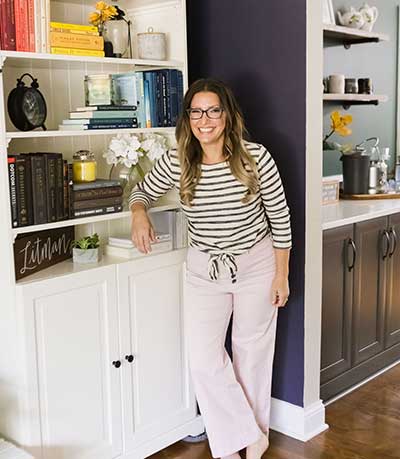
Decluttering can be a daunting task, especially if you’ve never done it before. To ensure a successful decluttering journey, it’s important to avoid common mistakes that can hinder your progress.
One common mistake is trying to tackle the entire house at once.
Decluttering your entire home in one go can quickly become overwhelming and exhausting. Instead, break it down into smaller, manageable tasks.
Start with one room or even one area within a room. This way, you’ll make progress without feeling overwhelmed.
Another mistake is holding onto items out of guilt or sentimental attachment.
While it’s natural to attach emotions to certain belongings, it’s important to evaluate their true value in your life. If an item no longer serves a purpose or brings you joy, it may be time to let go. Remember, decluttering is about creating a space that reflects your current lifestyle and priorities.
Procrastination is another common decluttering pitfall.
It’s easy to put off decluttering and convince yourself that you’ll do it later.
However, the longer you delay, the more clutter accumulates, making the task even more challenging.
Set aside dedicated time for decluttering and stick to it. You’ll be amazed at how much you can accomplish in a focused decluttering session.
By avoiding these common decluttering mistakes, you’ll set yourself up for success and make the decluttering process more manageable and enjoyable.
Before diving into the decluttering process, it’s essential to assess your belongings and understand what you have. This step will help you create a plan and set realistic goals for your decluttering journey.
Start by taking a comprehensive inventory of your possessions. This can be done room by room, or by categories such as clothing, books, or kitchenware. As you go through each item, ask yourself important questions:
1. Do I use or wear this regularly?
2. Does it bring me joy or have sentimental value?
3. Is it in good condition and worth keeping?
4. Could someone else benefit from this item more than I do?
By answering these questions honestly, you’ll gain clarity on which items are worth keeping and which ones you can let go of. Remember, the goal is to create a space that is both functional and joyful.
Once you have assessed your belongings, it’s time to move on to the next step: sorting and categorizing.
Sorting and categorizing your items is an essential step in the decluttering process. It allows you to create a systematic approach that makes decision-making easier and more efficient.
Start by creating designated areas for different categories, such as “keep,” “donate,” “sell,” and “trash.”
As you go through your belongings, place each item in the appropriate category. Be honest with yourself and avoid holding onto items “just in case.”
Remember, reducing clutter is about creating a space that supports your current lifestyle, not holding onto things you might need someday.
When sorting, consider grouping similar items together. For example, gather all your clothes in one place and sort them by type (shirts, pants, dresses, etc.) This will help you visualize the extent of your belongings and make it easier to identify areas where you may have an excess.
Once you have sorted and categorized your items, it’s time to move on to the actual decluttering process.

Once you have decluttered and sorted your belongings, it’s time to focus on organizing and storing them in a way that maximizes space and promotes long-term tidiness.
Here are some organizing tips to help you maintain a clutter-free home:
1. Utilize Storage Solutions: Invest in storage containers, bins, and baskets to keep items organized and easily accessible. Use labels or clear containers to quickly identify the contents of each container.
2. Optimize Vertical Space: Utilize wall space by installing shelves, hooks, or pegboards. This will help free up valuable floor space and keep frequently used items within reach.
3. Create Zones: Assign specific areas for different activities or functions within each room. For example, designate a reading nook in the living room, or create a designated workspace in your home office. This will help maintain order and make it easier to find and put away items.
4. Establish Routines: Develop daily habits that contribute to a clutter-free environment. Dedicate a few minutes each day to tidy up and put items back in their designated places. This small effort can prevent clutter from accumulating and make the overall cleaning process more manageable.
Remember, organizing is an ongoing process.
Regularly assess your storage solutions and make adjustments as needed to accommodate any changes or new additions to your belongings.
Now that you’ve decluttered, sorted, and organized your belongings, it’s important to establish habits that will help you maintain a clutter-free home in the long run.
Here are some tips to help you stay organized:
1. Regular Decluttering Sessions: Set aside dedicated time, perhaps once a season, to reassess your belongings and declutter as needed. This will prevent clutter from building up again and allow you to stay mindful of what you bring into your home.
2. Mindful Consumption: Before making a purchase, ask yourself if the item is truly necessary and if it aligns with your values and lifestyle. Avoid impulsive buying and focus on quality over quantity.
3. One-Minute Rule: If you can complete a task in under a minute, do it immediately. This could be putting away an item, hanging up a jacket, or wiping down a surface. By addressing these small tasks right away, you’ll prevent them from piling up and becoming overwhelming.
4. Practice Gratitude: Appreciate the items you own and take care of them. When you value and care for your belongings, you’re less likely to accumulate unnecessary items or let clutter take over.
By incorporating these habits into your daily routine, you’ll create a clutter-free home that feels peaceful and organized.

Now that we’ve covered the general decluttering process, let’s dive into some specific tips for decluttering different areas of your home:
1. Kitchen:
– Clear countertops by storing appliances that are not used regularly.
– Trash expired food items and donate duplicate utensils or gadgets.
– Organize cabinets and drawers by grouping similar items together.
2. Bedroom:
– Sort through clothing and donate items that no longer fit or are no longer worn.
– Create a designated space for accessories, such as jewelry or belts.
– Keep bedside tables clutter-free by only keeping essentials within reach.
3. Living Room:
– Clear out old magazines or newspapers.
– Assess decorative items and keep only those that bring you joy.
– Establish a system for managing remote controls and electronic cables.
4. Bathroom:
– Dispose of expired toiletries and medications.
– Utilize drawer dividers or baskets to keep toiletries organized.
– Minimize the number of towels and keep them neatly folded on shelves or hooks.
By applying these specific decluttering tips to each area of your home, you’ll create a cohesive and organized living space.
Decluttering your home is a transformative process that can bring a sense of calm, productivity, and joy to your life.
By following our must-try tips, you’ll be empowered to tackle clutter one room at a time, make tough decisions about what to keep and let go, and create an organized and inviting home.
Remember, decluttering is an ongoing process.
Regular assessments, mindful consumption, and establishing organizing routines are key to maintaining a clutter-free home in the long run.
Embrace the art of decluttering and enjoy the benefits of a neat and tidy living space that truly sparks joy.
The Psychological Benefits of Micro Clutter Organizing: A Science-Based Approach
Embracing the Minimalist Lifestyle With Micro-Decluttering
Micro-Decluttering: Why You Should Try An Easier Version Of Decluttering


