
We Tried the Scandinavian Sleep Method—Here’s What Happened
Here’s a crazy thought, what if each individual in a bed has their own blanket that was just for them. No sharing with their partner. No tugging or tossing during…

Seeking calm in the chaos? Look no further than micro clutter organizing. This science-based approach to decluttering focuses on smaller, more manageable steps that can have a profound impact on your mental well-being. By breaking down the decluttering process into bite-sized tasks, micro-decluttering allows you to make progress without feeling overwhelmed. It helps you tackle […]
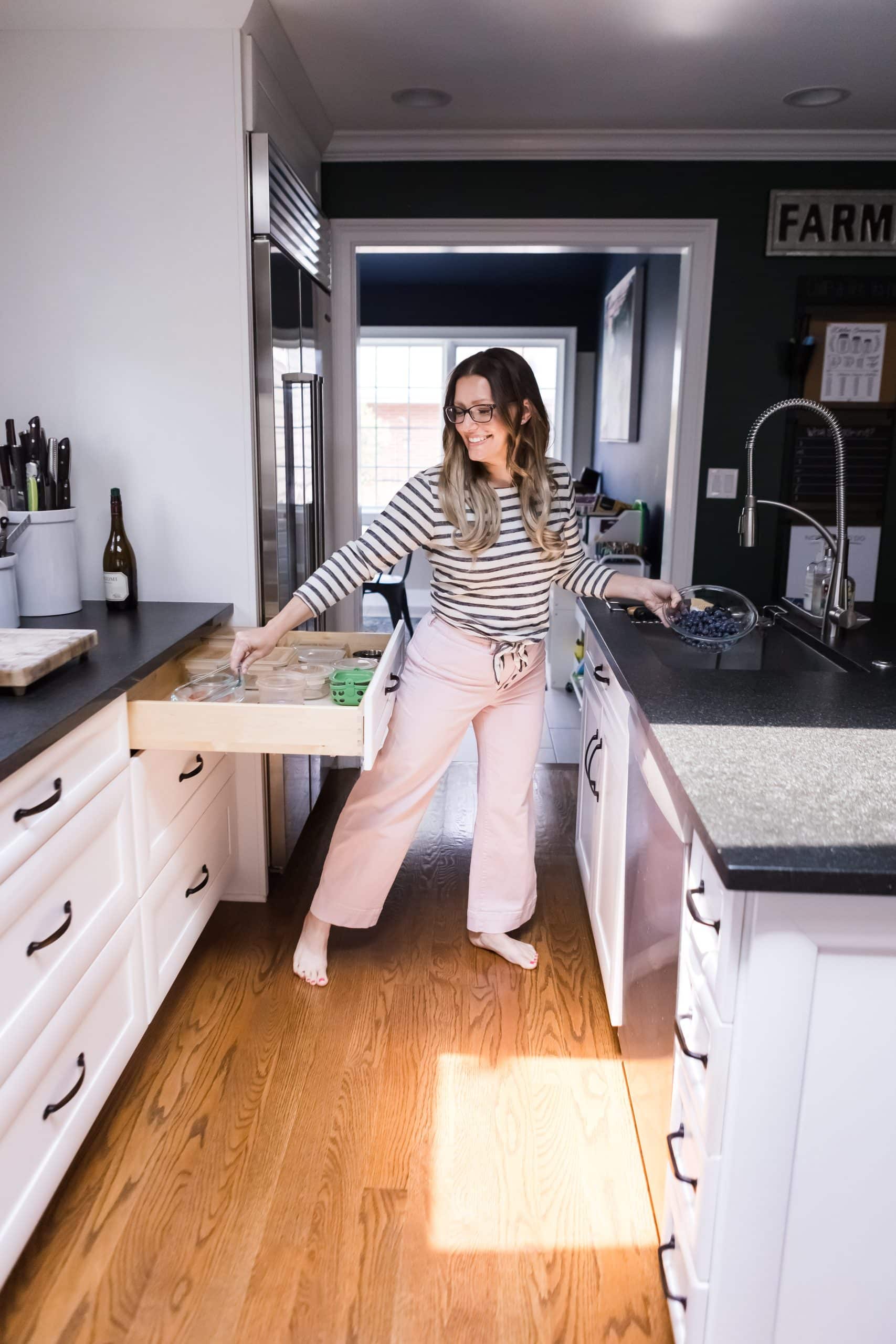
Seeking calm in the chaos? Look no further than micro clutter organizing. This science-based approach to decluttering focuses on smaller, more manageable steps that can have a profound impact on your mental well-being.
By breaking down the decluttering process into bite-sized tasks, micro-decluttering allows you to make progress without feeling overwhelmed.
It helps you tackle one area or category at a time, making it easier to stay focused and motivated.
Whether it’s clearing out your inbox, decluttering your wardrobe, or organizing your workspace, each small step contributes to a greater sense of control and clarity.
But the benefits of micro-decluttering go beyond a tidier physical space.
Studies have shown that reducing physical clutter can lead to reduced stress levels, improved productivity, and enhanced mental well-being. It can also help you develop healthier habits and make more mindful choices.
Ready to experience the transformative power of micro-decluttering?
Let’s dive into the science behind this approach and discover practical tips for implementing it in your daily life.

Clutter is not just a physical problem; it also has a significant psychological impact.
Research has shown that living in a cluttered environment can lead to increased stress levels, reduced cognitive function, and even poor mental health.
When our physical space is cluttered, it can create a sense of chaos and overwhelm that spills over into other aspects of our lives.
Clutter also has a way of distracting our attention and sapping our mental energy. It becomes a constant reminder of unfinished tasks and unfulfilled goals, leaving us feeling burdened and overwhelmed.
The disarray can make it difficult to relax, focus, and find the peace and clarity we crave.

Micro-decluttering is a method of decluttering that focuses on small, manageable tasks.
Instead of trying to tackle an entire room or category all at once, micro-decluttering breaks it down into bite-sized steps. It could be as simple as clearing out one drawer or organizing a single shelf.
The key to micro-decluttering is to make it a regular habit.
By incorporating small decluttering sessions into your daily routine, you can gradually chip away at the clutter and maintain a more organized space.
It’s about making consistent progress over time, rather than trying to achieve perfection in one go.
Micro-Decluttering: Why You Should Try An Easier Version Of Decluttering
Embracing the Minimalist Lifestyle With Micro-Decluttering
After You Declutter, What Do You Do With The Leftover Stuff?
The benefits of micro clutter organizing are supported by science.
Research has shown that reducing physical clutter can have a positive impact on our mental well-being.
When we declutter, we create a more visually pleasing and organized environment, which can help reduce stress and promote a sense of calm.
Clutter has also been found to compete for our attention and overload our senses.
By removing unnecessary items from our surroundings, we free up mental energy and create a space that is conducive to focus and productivity. This can lead to improved cognitive function and enhanced creativity.
Micro-decluttering offers a range of benefits for our mental well-being.
By taking small steps towards a more organized space, we experience a sense of accomplishment and control. This can boost our mood and self-esteem, providing a positive feedback loop that motivates us to continue decluttering.
A clutter-free environment also reduces visual distractions and promotes relaxation. It allows us to fully engage with our surroundings and encourages a greater sense of mindfulness.
When we are not constantly surrounded by physical clutter, we can better focus on the present moment and enjoy a greater sense of peace and tranquility.
Incorporating micro-decluttering into your daily routine doesn’t have to be complicated.
Start by identifying one small area or category that you would like to declutter.
It could be a kitchen drawer, a section of your wardrobe, or even just your digital desktop. Set aside a specific time each day to work on decluttering that area.
When decluttering, ask yourself a few simple questions: Do I use this item regularly? Does it bring me joy? If the answer is no, consider letting go of it.
Donate or recycle items that are still in good condition but no longer serve a purpose in your life.
By making conscious choices about what to keep and what to let go of, you are creating space for things that truly matter to you.
To make the most out of your micro-decluttering sessions, here are some tips to keep in mind:
1. Start small: Begin with a small area or category to avoid feeling overwhelmed. As you build momentum and confidence, you can gradually tackle larger areas.
2. Set a timer: Limit each decluttering session to a specific amount of time, such as 15 or 30 minutes. This helps maintain focus and prevents burnout.
3. Create designated spaces: Assign specific areas for different items to maintain organization. This makes it easier to find what you need and prevents clutter from accumulating.
4. Practice the one-in-one-out rule: For every new item you bring into your space, let go of one existing item. This helps prevent clutter from building up again.
5. Celebrate progress: Recognize and celebrate the progress you make, no matter how small. Each step forward is a step towards a more organized and peaceful environment.
Micro-decluttering offers a science-based approach to creating a more serene and organized environment.
By breaking down the decluttering process into manageable steps, we can experience the psychological benefits of reduced stress, increased productivity, and enhanced mental well-being.
Incorporating micro-decluttering into our daily routine helps us maintain a clutter-free space and develop healthier habits.
So why not start small today and experience the transformative power of micro-decluttering for yourself?


