
We Tried the Scandinavian Sleep Method—Here’s What Happened
Here’s a crazy thought, what if each individual in a bed has their own blanket that was just for them. No sharing with their partner. No tugging or tossing during…

There are skills you need to teach your kids to help support them throughout school and beyond. These skills are called executive thinking skills. Executive thinking skills support your child with reading, math, writing, problem-solving and more. What Are Executive Skills? Executive thinking skills, also known as executive functions, refer to a set of cognitive […]

There are skills you need to teach your kids to help support them throughout school and beyond. These skills are called executive thinking skills.
Executive thinking skills support your child with reading, math, writing, problem-solving and more.
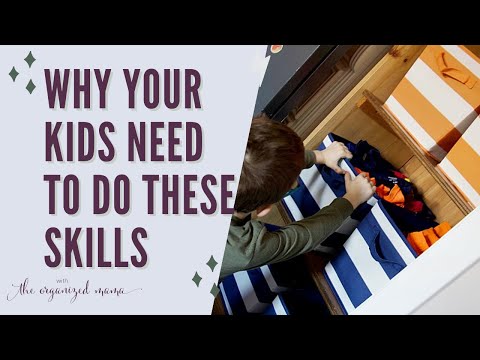
Executive thinking skills, also known as executive functions, refer to a set of cognitive abilities that enable individuals to plan, organize, manage time, pay attention, and regulate their behavior.
These skills are essential for various tasks, such as reading, math, writing, problem-solving, and decision-making.
Think of executive thinking skills as the CEO of your brain, responsible for coordinating and managing different processes effectively.
To fully comprehend the significance of executive thinking skills, it is essential to explore how they impact different aspects of our lives.
These articles go more in depth on the topic:
From Toddler to Teen: Nurturing Executive Function Skills By Age
What Executive Functioning Skills Are & Why Your Kids Need Them
Developing executive thinking skills from an early age not only enhances academic performance but also strengthens key attributes that contribute to success in adulthood.
Children who possess well-developed executive thinking skills are better equipped to manage their emotions, make sound decisions, set goals, and adapt to new situations.
As they grow older, these skills become even more critical in the workforce, where individuals are expected to navigate complex challenges, collaborate with others, and think critically.
Furthermore, research has shown that executive thinking skills are closely linked to academic achievement. Students who possess strong executive functions are more likely to excel in their studies, as these skills enable them to focus, plan ahead, and effectively manage their time.
By developing and strengthening these skills, individuals can unlock their full potential and set themselves up for success in various areas of life.
Executive thinking skills are not limited to academic or professional settings but can also be applied in our daily lives.
By incorporating these skills into our routines and activities at home, we can further develop and strengthen them. Here are a few strategies to consider:
1. Create a structured environment: Establishing routines and clear expectations at home helps children develop organization and time management skills. These 10 Executive Functioning Activities To Teach Your Kids will help create routines and expectations.
2. Encourage problem-solving: Encourage children to think critically and independently by presenting them with age-appropriate challenges. These Executive Function For Kids + Ways You Can Support These Skills have tons of ways to support.
3. Promote self-reflection: Encourage children to reflect on their actions and emotions. Success at School and Beyond: Why Executive Functioning Skills Matter can give more ways to support.
4. Provide opportunities for decision-making: Allow children to make decisions and experience the consequences of their choices in a controlled environment. These Secrets To Your Child’s Success: Executive Functioning Skills They Need To Know + How You Can Support Them can give more ideas.
5. Teach kids organizational skills. Using these Organizing Tips For Children With ADHD At Home can help all kiddos.
Developing and strengthening executive thinking skills is an ongoing process that requires consistent effort and practice.
Here are some strategies that can help individuals of all ages enhance their executive thinking abilities:
1. Practice mindfulness: Mindfulness exercises, such as deep breathing and meditation, can help improve focus, attention, and self-regulation. Incorporate these practices into your daily routine to enhance executive thinking skills.
2. Engage in puzzles and brain teasers: Activities that challenge the brain, such as puzzles, riddles, and brain teasers, can enhance problem-solving and critical thinking abilities. Make these activities a regular part of your leisure time to exercise your executive thinking muscles.
3. Set goals and track progress: Setting realistic goals and tracking progress is an effective way to enhance executive thinking skills. Break down larger goals into smaller, manageable tasks, and celebrate milestones along the way. This promotes self-discipline, time management, and perseverance.
4. Seek out new experiences: Expose yourself to new experiences and environments to stimulate your executive thinking skills. Travel to new places, try new hobbies, or engage in activities that challenge your comfort zone. These experiences encourage adaptability, creativity, and open-mindedness.
5. Collaborate with others: Working collaboratively with others fosters teamwork, communication, and the ability to consider different perspectives. Engage in group projects, join clubs or organizations, and actively participate in discussions to develop executive thinking skills within a social context.
By understanding the importance of these skills, recognizing their characteristics, and implementing strategies to enhance them, you can take charge of your cognitive abilities and achieve greater success in various areas of life.


