We Tried the Scandinavian Sleep Method—Here’s What Happened
Here’s a crazy thought, what if each individual in a bed has their own blanket that was just for them. No sharing with their partner. No tugging or tossing during…

I went LIVE on Facebook to share my hot-mess mudroom and organized it with everyone watching. Is your mudroom a little out of sorts? Come organize with me!

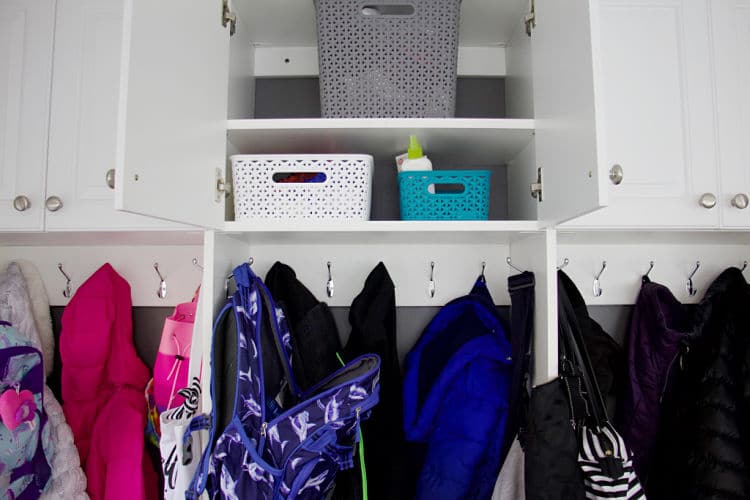
If your mudroom is looking a little out of sorts, it’s time to hit reset. This space sees all the action—shoes kicked off, bags dropped, jackets piled up—and without a plan, it can quickly turn into a clutter catch-all.
Below, I’m walking you through the exact steps I use to organize a mudroom, plus sharing my favorite resources for each step so you can create a space that’s functional, clutter-free, and easy to maintain.


This is always the first (and yes, scariest) step. Pull everything off the hooks, shelves, cubbies, and out of bins. Take out the shoes, bags, jackets—everything.
As you unload, make quick piles so you’re not creating total chaos: shoes in one pile, jackets in another, hats and accessories together, etc.

Once everything is out, group items into clear categories:
For each category, ask:

If possible, give each family member their own hook, bin, or cubby. This makes it easy for everyone to find their things—and put them back.
Labels are your best friend here, whether it’s basket labels with wooden tags or adhesive bin labels.
How To Make Labels For Organizing
How To Make Labels Work For You
Once you know what’s staying in the mudroom, return it to its assigned spot. This is the time to identify what extra storage might help—don’t buy organizers before this step.
For example, if sunscreen and bug spray keep getting lost, store them together in a labeled bin on a shelf.
A mudroom can double as a temporary holding zone for:
Before you leave the house, check these spots to see what you can take with you.

Empty shelves or cubbies aren’t wasted—they’re breathing room for the future. As your family’s needs change, you’ll naturally fill them, but until then, enjoy the space.
Keeping a mudroom organized isn’t a one-and-done task. I recommend doing this full reset a couple of times a year—before school starts, after winter, and any time you feel the clutter creeping back in.