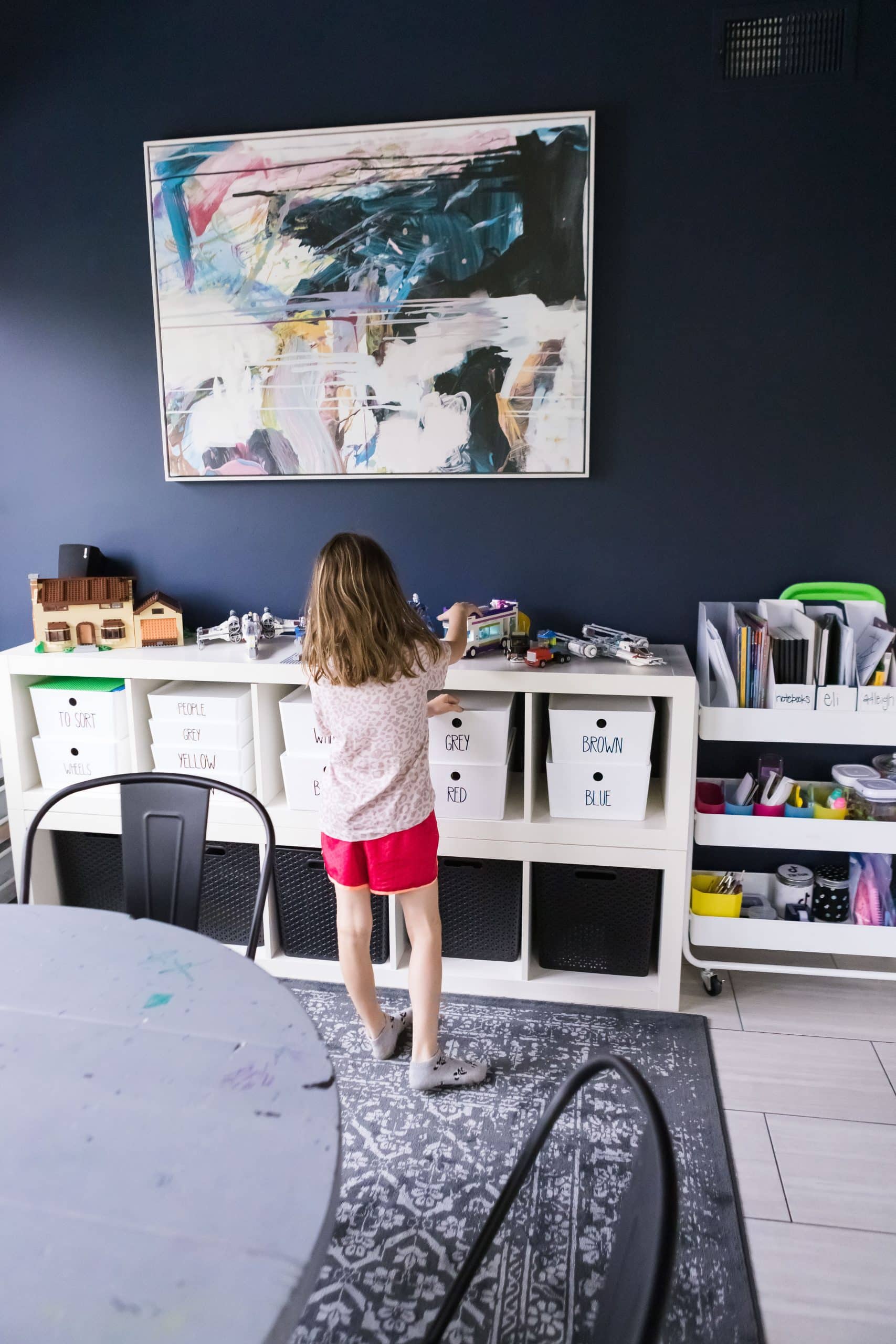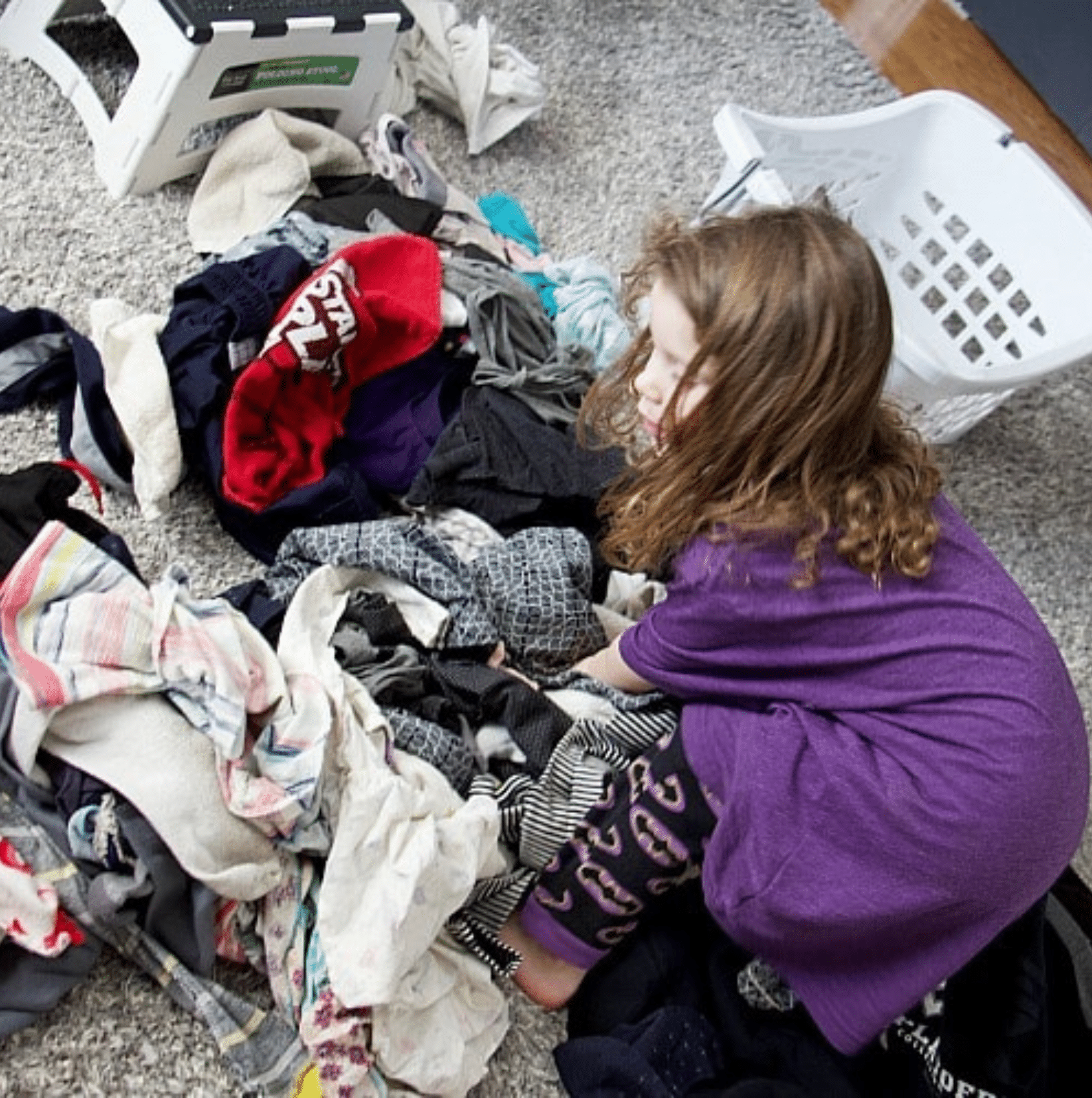
How To Get Kids To Organize
Back when I was teaching, I feel like half my class could keep their desks and cubbies organized. And the other half couldn’t. So I had to teach them some…

Learn how to create chores with the best responsibility chart so your kids can be held accountable to tasks around the house.
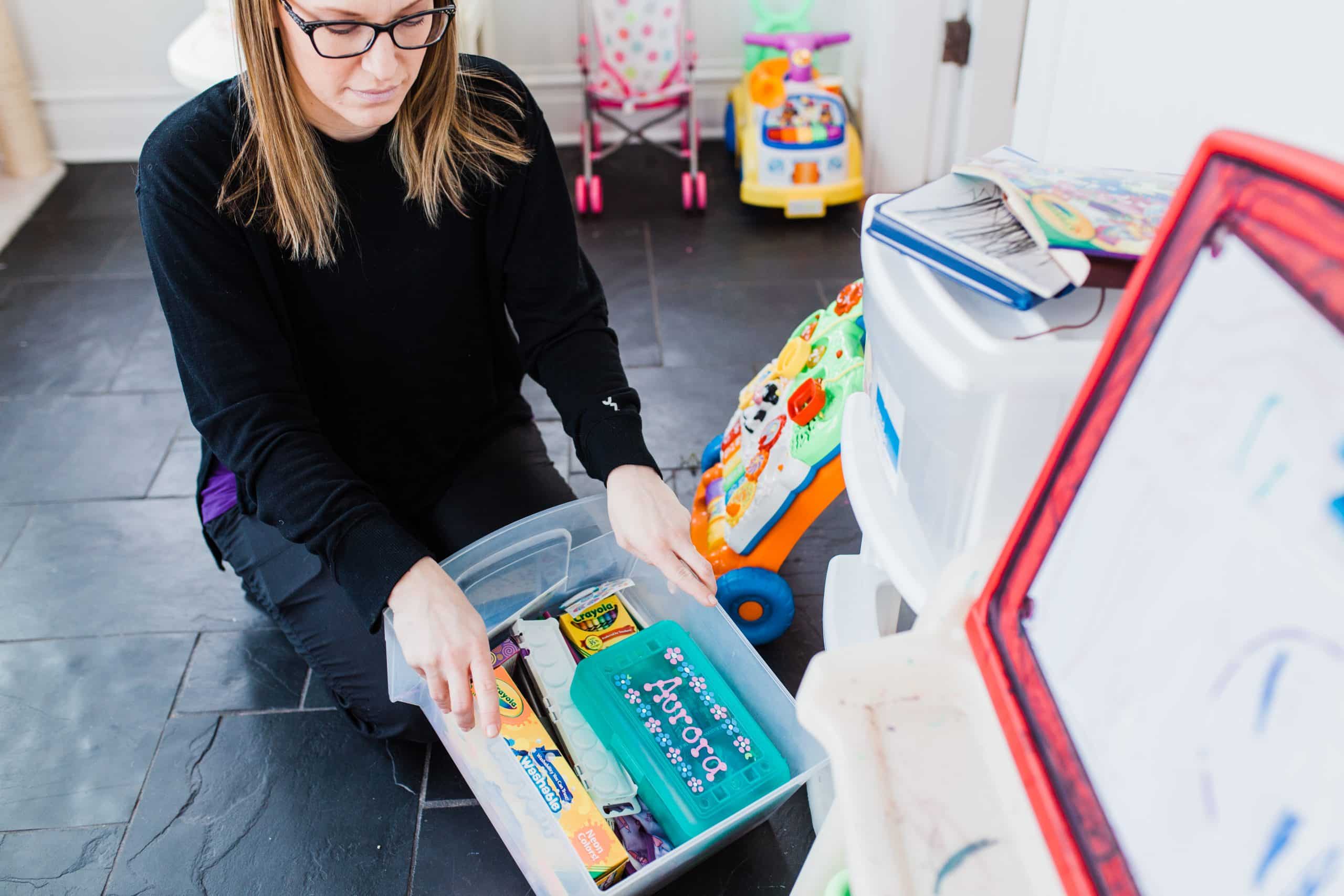
When it comes to keeping my kids on track, I’ve learned that a little structure goes a long way — but how you structure it matters.
One of the best changes we ever made in our home was separating responsibilities from chores.
Here’s what that looks like for us:
In our house, responsibilities are the nonnegotiable daily tasks that come with being part of the family — things like:
We don’t pay for these because they’re simply part of contributing to the household.
Chores, on the other hand, are optional tasks that go above and beyond daily expectations, and those do come with payment. Examples in our house include:
Separating the two categories has worked so well for us because it teaches two important lessons:
Of course, not every family does it this way — and that’s completely fine! The goal is to find a system that makes sense for your household.
One of the most effective tools I’ve found for keeping kids consistent is a responsibility chart.
You can keep it simple — a printed chart, a whiteboard, or even sticky notes can work. The key is to have it somewhere visible and easy for the kids to interact with.
Tips for making a responsibility chart work:
By separating responsibilities and chores, and giving kids the tools to manage them, you’re not just keeping the house running — you’re helping them build life skills like self-discipline, time management, and follow-through.