We Tried the Scandinavian Sleep Method—Here’s What Happened
Here’s a crazy thought, what if each individual in a bed has their own blanket that was just for them. No sharing with their partner. No tugging or tossing during…

Do you have a picture frame sitting on the ground because you haven’t been able to hang it up? Want to know how to hang a picture? Well, over the years of me wanting to hang all the things on all the walls, I have learned a thing or two about how best to do […]
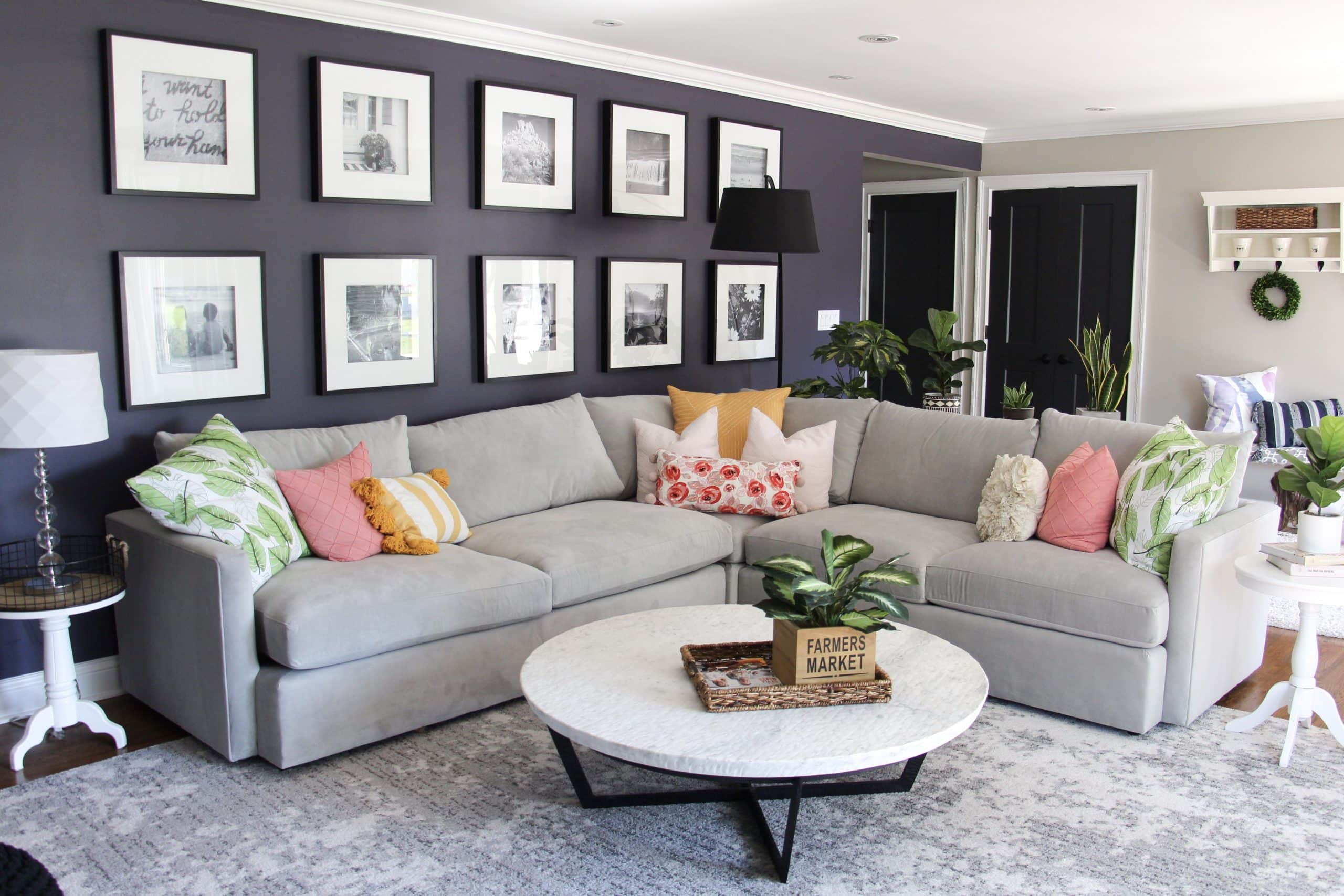
Do you have a picture frame sitting on the ground because you haven’t been able to hang it up?
Want to know how to hang a picture?
Well, over the years of me wanting to hang all the things on all the walls, I have learned a thing or two about how best to do it!
One of my favorite tricks is broken down in this post.
This post may contain affiliate links.

Lay the picture frame with two hooks face down. Then take your Frog Tape and cut a piece the length of your picture frame.
Secure the Frog Tape just under the hooks of the picture frame.
Poke 2 separate holes in the Frog Tape where the hooks are.
Take the Frog Tape and stick it to the wall where you want to hang the picture.
Using the Bubble Level app, make sure the Frog Tape is level.
Once level, make where the nails should go by creating a nail mark on the wall through the holes you made in the Frog Tape.
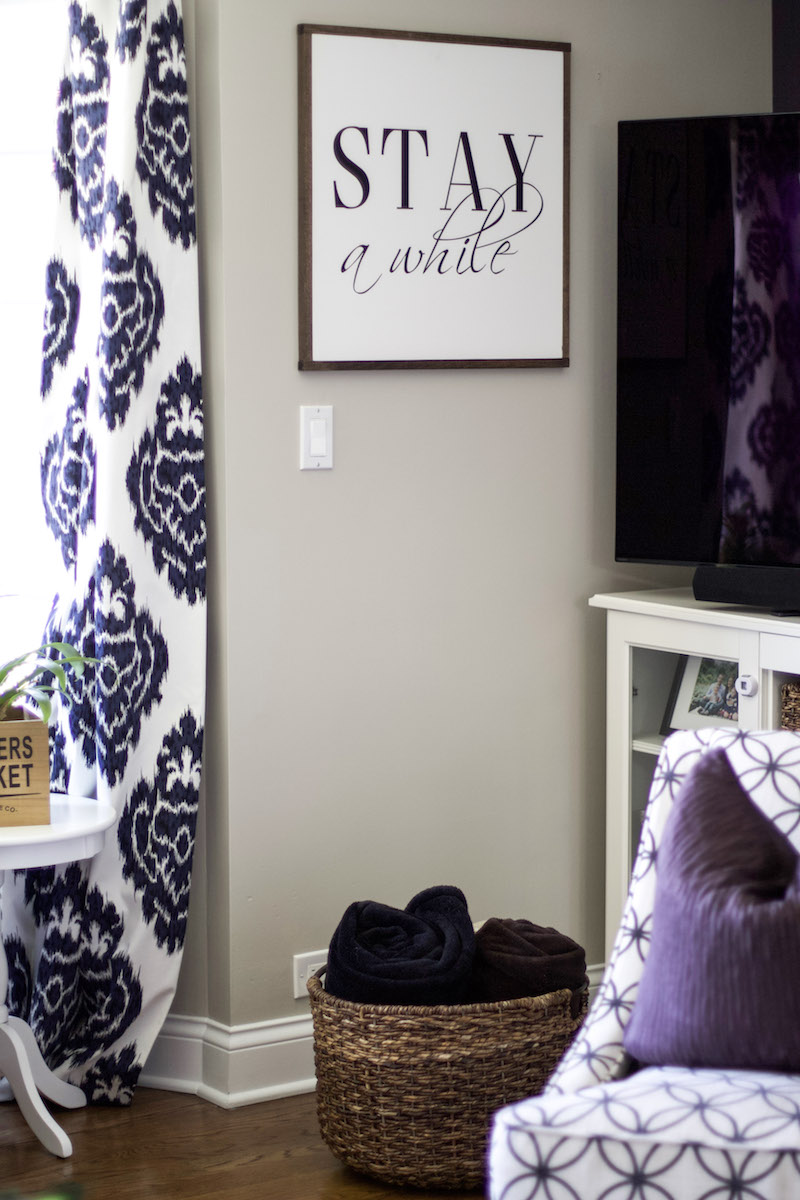
Remove Frog Tape and hammer in nails into the wall.
Hang picture.

10 Creative Picture Hanging Ideas You Will Love– More ideas for how to hang your pictures.
Creating Gallery Walls– This post is all about ways you can create gallery walls throughout your home, how to plan them out, and where to hang them.
When Not to DIY: Times to Leave Remodel Projects to Professionals– Decide if doing a DIY project is going to be helpful or not with these things to think about before you DIY.
A Beginner’s Guide To Hanging Things On Walls Without Damage– The most effective ways to hang things on walls without doing damage!

I told you this was the easiest way to hang pictures with two hooks!!
Seriously, I use this method all the time. Now there are gadgets and things that you can use to hang pictures, but I still go back to this method because it works and it is fast.
My husband loves using the picture hanging tool but I have found that the indentations it makes aren’t the easiest to see and I can never get things straight.
Maybe it is because I am more of a visual person and need to see the full length of the picture before I hang it up!
But any way you hang, I just want you to feel like you can do things, like hang a picture on the wall!
Your two picture hooks should be spaced the exact same distance as the hanging hardware on the back of your frame.
The easiest way to figure this out is to measure from the center of one hook (or D-ring) to the center of the other. That measurement becomes the spacing you mark on the wall.
This ensures the picture hangs evenly and sits exactly where you want it—no guessing or re-hammering required.
Here’s the simplest method:
If you use a small piece of painter’s tape to transfer the spacing, it makes the whole process foolproof.
For heavy frames, two hooks are actually better because the weight is spread out evenly. Use this method:
If your frame is extremely heavy, consider using wall anchors or placing the hooks into studs for extra support.
This is a super common frustration, and it usually happens for three reasons:
Quick fix: Measure the hardware on the frame itself to make sure both sides match. If they’re off, adjust one D-ring or add a felt bumper to balance it out.
Not always.
If your picture is light to medium weight and you’re using traditional angled picture hooks, you typically don’t need wall anchors.
You should use anchors when:
For most average frames, two standard picture hooks are plenty strong without anchors.
Use one of these quick tricks:
If you want the fastest method:
Install both hooks level and the frame will almost always hang level on the first try.
The classic guideline is to hang art so the center is 57 inches from the floor, which is roughly eye level for most people.
For gallery walls or pieces above furniture:
When in doubt, go slightly lower rather than higher—it almost always looks better.
For most frames, picture hooks are better than nails because:
Use nails only for very light frames. Anything medium or heavy should go on proper picture hooks.
Two hooks keep the picture:
Plus, they distribute weight more evenly across the wall, which is especially helpful for heavy or oversized frames.