
We Tried the Scandinavian Sleep Method—Here’s What Happened
Here’s a crazy thought, what if each individual in a bed has their own blanket that was just for them. No sharing with their partner. No tugging or tossing during…

Anyone living in a space knows that clutter can pile up rather quickly. Without a plan to minimize the clutter, you are stuck with piles everywhere. But there are many things to consider when it comes to minimizing clutter with effective strategies. Instead of trying any method to see if it works, ask yourself questions […]
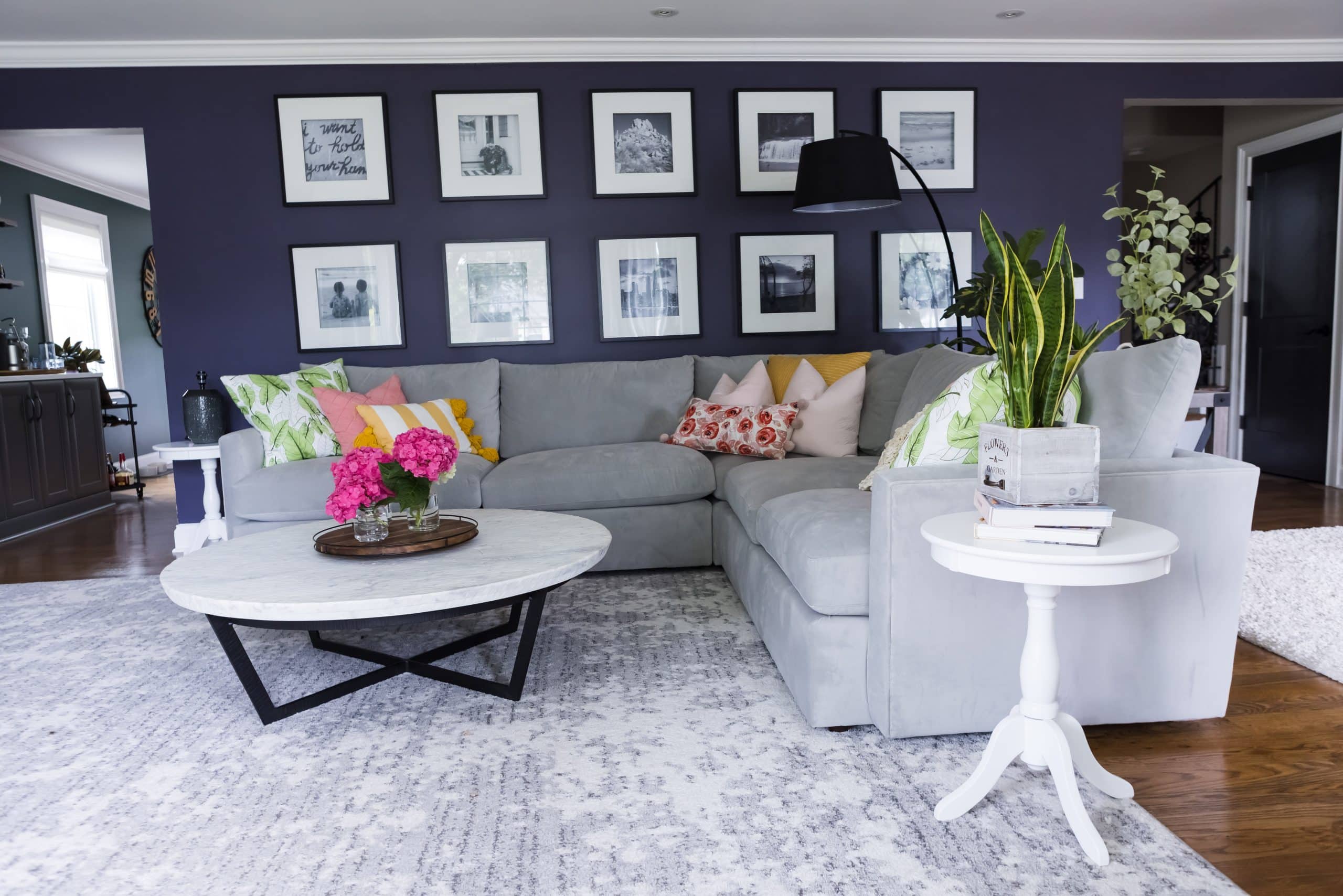
Anyone living in a space knows that clutter can pile up rather quickly. Without a plan to minimize the clutter, you are stuck with piles everywhere.
But there are many things to consider when it comes to minimizing clutter with effective strategies. Instead of trying any method to see if it works, ask yourself questions to help you decide on a plan of action that will work for you!
This guide walks you through deciding which strategy of minimizing your clutter will work. Then we dive into actionable steps to take for different rooms or areas of your home. So if you are ready to minimize that clutter, keep reading this article.
If you are overwhelmed with clutter and unsure where to start, I recommend reading Where To Start Decluttering When Overwhelmed?
Clutter builds up over time due to busy schedules, emotional attachments, or a lack of designated spaces for items.
Understanding why clutter accumulates is the first step in addressing it.
So how can you understand why clutter builds up in your home? We have to start with identifying the clutter spots. Those spots where you just can’t get organized.
Once you have found a few of those spots, we have to start asking questions about why the clutter keeps accumulating there.
Do the items that end up in that clutter spot have a specific spot they are supposed to go? Are those items temporary? Is there someone else in the house who is creating this mess?
Once we have found answers to these questions, we can start creating a plan of action.
Here is an example of what that process might look like:
Your kitchen counters keep piling up with papers. You feel like you are removing the papers every night but they just keep coming.
So you ask yourself, are these paper piles temporary? And can I teach my family to place those papers in another spot that isn’t the kitchen counter? Or do I need to create a spot for them to place the papers instead of lying all over the counter?
Then you take action to minimize the counter clutter.
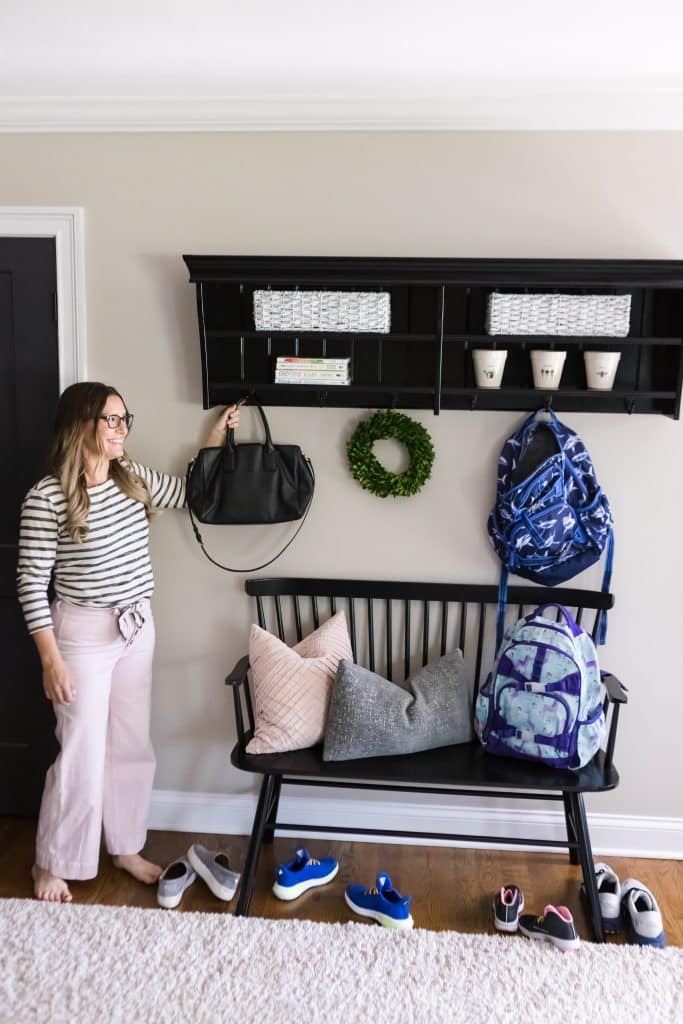
To minimize is to reduce the quantity of unnecessary items, allowing for a more functional and visually calm environment.
It’s not about getting rid of everything but keeping only what adds value.
So to think about it in another way, you could say that when you minimize clutter, you are getting rid of the things that don’t have a specific spot in your home. Because if they don’t have a specific spot, then they may not be that important to save.
Let’s look at your closet. You have clothing you love and wear frequently. You have a specific space in your closet for those special pieces. But what about the clothing items you don’t enjoy wearing? Do you struggle to find space in your closet because those pieces are taking up space?
If you minimize your wardrobe, you would have a place for every item you enjoy wearing, rather than cramming clothing into the space and forgetting about things that are hidden behind clothing you don’t like.
There are many different strategies for how to minimize clutter. Some take large amounts of time and energy while others can be done slowly.
Before you select a minimizing strategy, check in with yourself to see what your energy level looks like. Then decide which strategy will be best for you.
Minimize In A Weekend Strategy
This strategy is where to dedicate an entire weekend to decluttering and organizing your home. Start by making a plan to tackle everything in your home in one weekend.
You start at the top of your home and work your way down to the bottom level, making sure you touch on each of the rooms, closets, and hallways in your home.
You leave no space untouched. This strategy does take a lot of time and energy in one weekend, but you can accomplish a lot when you have a plan.
Micro-Declutter Strategy
The micro-declutter strategy is where you dedicate 15 minutes to removing unwanted items from one specific area. Instead of spending an entire weekend decluttering, you are doing small tasks daily.
Micro-decluttering works well if you have specific locations for items or can make decisions quickly. It frees up more time to remove unwanted items with the feeling of accomplishment daily because of the small tasks you tackle every day.
Room-By-Room Strategy
When you focus on minimizing items in each room, you can plan to spend a few hours on one room. Then you will have a break.
This strategy works well for those who can work in short bursts of time, like when the family is at activities, school or you have a few hours of time to tackle one room.
Remove all items from that room that don’t belong and place on the outside space of that room. Focus only on the room by minimizing everything inside.
When you finish, you can move the items placed outside the room in their new locations or donate!
Declutter By Category Strategy
This strategy has also been called the “KonMari Method” taught by Marie Kondo.
When you focus on categories, you are able to remove duplicates of items that may have gone unnoticed.
You have to round up all the items in one category, then minimize those items in that one category before moving onto the next category.
There is a sequence in the KonMari Method. But I have found you can do any type of category and declutter duplicates with a similar result.
Once you decide on which strategy you will use to minimize your things, you can focus on your bedroom.
I prefer the bedroom declutter first because it is the space that can easily get cluttered and affect your sleep.
When your space is cluttered, research has shown that you are less likely to fall into a deep REM sleep because your brain isn’t able to go into a rest state. Instead you may find yourself tossing and turning due to clutter.
If you are going to make quality decisions, you need a quality nights’ rest. And to do that, you have to tackle the clutter in your bedroom.
Some areas that you can declutter in the bedroom may include:
Below are more blogs on how to organize bedroom spaces:
How To Declutter A Bedroom: Step-By-Step Tutorial
Serene Slumbers: Bedroom Organization Solutions
Effective Ways For Minimalist Living In A Master Bedroom

Kitchen clutter can come in many forms. So identifying which types of clutter you are tackling is going to be helpful.
Drawer and cabinet clutter can be caused by too many items or items not grouped together correctly. Counter clutter can be caused by cabinets overflowing with items. And pantry clutter can be caused because shelving or drawers don’t hold items you use daily.
Start by finding the root cause of the clutter. From my experience, it typically is the cabinets and drawers are overcrowded. This causes counter and pantry clutter.
Then take action to reduce and minimize the clutter in the kitchen cabinets.
Depending on your method, take all the items out of one cabinet -or- take all the items out of all the cabinets. Then group those items together into categories.
You can group based on how you cook or based on what type of item they are.
Here’s an example: If you do a lot of baking using mixing bowls of specific sizes, the store those with the other baking items you use like the hand mixer and cake stands. This way you are more inclined to store them together after you wash them because they were all used together.
Another example is if you have many different kitchen gadgets with different attachments. You can store all those gadgets together in a “gadget garage”. This can be a drawer or cabinet or shelf in the pantry. Then you can get the gadget with attachments as they are all stored together.
It doesn’t matter how you group them, it just matters that you group them in a way that works for you!
Here are some more tutorials on how to organize, declutter, and minimize kitchen and pantry items:
How Using Declutter Questions To Declutter Your Kitchen Will Keep You Focused
Kitchen and Pantry: Organizing Strategies For The Spaces You Eat
10 Creative Organizing Ideas For Small Kitchen
5 Pots And Pan Storage Ideas For Any Size Kitchen
10 Creative Organizing Ideas For Small Kitchen
How To Organize Your Kitchen Without Spending Anything
Essential Steps To Creating A Minimalist Kitchen

When it comes to community rooms like the living room or family room or basement, there are many factors that go into the clutter of the rooms.
While you may enjoy a tidy space, you may have other members of your family who don’t notice the clutter! This is a big reason why many rooms accumulate so much clutter.
To minimize the clutter in community rooms, it is best to have minimal things in the room. Limit decor so you don’t create visual clutter. Visual clutter is when you have too many items out and your brain gets overloaded with visuals it doesn’t know where to look.
Instead, focus on one type of decor or collection to showcase and rotate what is out.
Give everything in the room a specific spot to “live”. Have a designated spot for the remotes. Pillows have a space on the couch. Blankets have a place to be stored.
By removing unnecessary clutter from community rooms, everyone will be able to keep the space clutter-free!
Here are more ideas for organizing and decluttering specific rooms:
6 Creative Ways To Organize Toys In The Living Room
How To Quickly Declutter Your Living Room
The Complete Guide To Organizing A Mudroom
Declutter Like a Pro : Have The Clutter-Free Home Of Your Dreams
How To DIY Basement Organization
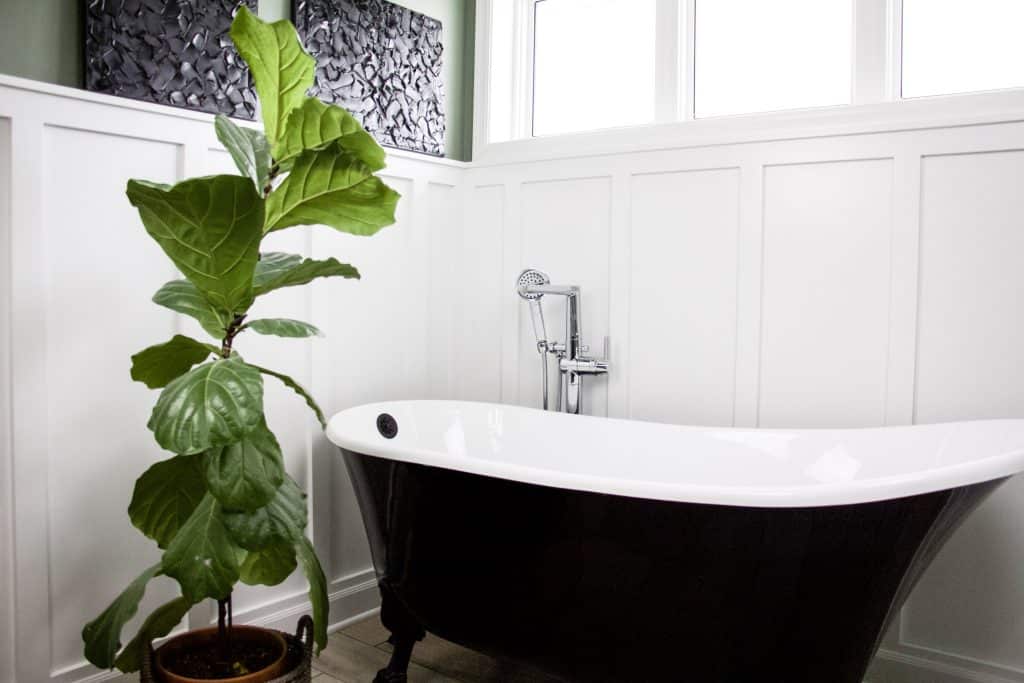
To minimize bathroom clutter, you have to start by looking at all the items in the bathroom that you no longer use or have lived past their expiration date. Typically medications that are hiding in the back of the cabinet may be long expired.
The FDA advises against using expired medications as certain medications are at risk for bacterial growth or the chemical compounds in medications can change over time. So check the expiration dates and discard appropriately.
When it comes to hair and skin care products, if you find yourself not enjoy the products, then you can safely discard them. Why keep something in your cabinet if you aren’t using it?
Check all gadgets in the bathroom as well to ensure cords and electrical plugs are in tact. If something looks like it is frying, part with it. Electrical fires are no joke.
Group like items together based on how you use them. I have a full list of categories for organizing along with other bathroom tips below:
Like With Like: Organizational Categories For Every Space In Your Home
10 Bathroom Organization Ideas For Under Sink + Bathroom Drawers
6 Brilliant Organizing Ideas For Your Bathroom

The biggest thing with paper clutter is to understand how you use the paper. If you are always looking on your computer for files, then making all your documents digital will greatly support you in your hunt for the papers.
If you find yourself wanting hard copies of papers, then creating a thoughtful storage and filing system will be key.
Most people are a little of both digital and paper documents. So start by grouping all the papers you want to digitize. And group all the papers you want to file.
Then make a plan for how you will digitize and organize those documents. And create a filing system based on categories for your hard documents.
As for kids artwork and school projects, creating a system of turning items into books will greatly reduce the amount of papers you can find.
Below are many ways to digitize, organize, and photograph papers:
Eliminate Paper Clutter With These 5 Steps
12 Ways To Overhaul Your Paper Storage
How To Organize And Store Photos And Artwork For The Entire Family
Step-By-Step Process To Organize Digital Files
How To Organize Computer Files By Eliminating Digital Clutter
Minimizing clutter can transform your home into a space that feels open, functional, and relaxing. Here are three proven strategies to help you achieve a clutter-free home and embrace a simpler lifestyle.
The first step to minimizing clutter is shifting your mindset to value quality over quantity. A minimalist approach encourages you to surround yourself with items that serve a purpose or bring joy. When you evaluate possessions this way, it becomes easier to let go of what’s unnecessary and focus on what truly matters.
To adopt this mindset, try asking yourself these questions:
This process can help you identify and keep only what aligns with your values, reducing the temptation to accumulate unnecessary items.
Clutter can quickly return without regular maintenance, so it’s essential to incorporate decluttering into your routine. Small, consistent efforts prevent clutter from building up and make the process less overwhelming.
Try these tips for routine decluttering:
This approach keeps your home consistently tidy and reduces the need for time-consuming cleanups.
Creating boundaries for items in each room is a powerful way to keep clutter in check. Set specific limits on what you keep in each space, whether it’s books, kitchen gadgets, or decor items. For example, if you have a bookshelf, limit the number of books to what fits neatly on the shelves. Or, in the kitchen, keep countertops free by designating specific storage areas for frequently used items.
Setting limits reduces decision fatigue and makes tidying more straightforward, creating a home that’s easier to maintain.
By adopting a minimalist mindset, maintaining routine decluttering, and setting boundaries, you can create a home that’s both functional and calming.
These strategies will help you achieve lasting simplicity, allowing you to enjoy a clutter-free and organized space every day.


